
Sarana : Keeping Sri Lanka’s Culture Alive
How do we share authentic Sri Lankan Stories?
On the southern coast of Sri Lanka, where coconut palms lean over turquoise waves and coffee shops line the shore as fast as surfboards crowd the sea, three friends decided to take a different path. I met Urvashi, the manager of Sarana, who shared the story behind the project and the vision of its founders, Omaya and Revatha, the duo who created this platform celebrating Sri Lanka’s living heritage through craft, stories, and connection.
Launched officially in November last year, Sarana is a concept born from the heart, shaped by their lived experience in the South during busy tourist seasons and by witnessing the dwindling of the Sri Lankan identity in the offerings being made. The trio wanted to offer visitors something more meaningful, an invitation to see, feel, and experience the real Sri Lanka.

More Than a Space : A Cultural Bridge
Sarana began not as a simple shop, but as a space where workshops (pottery, jewellery, batik..), a café, and a retail area came together. From the start, it was conceived as a cultural bridge, created from the need to connect travellers with real Sri Lankans and their stories. Urvashi and her team understood that what people were truly seeking was encounter: meeting the makers, stepping into their homes, and witnessing the patience and mastery behind every gesture.
“When people try a workshop themselves,” Urvashi explains, “they realise how incredibly difficult it is. They see how skilled these artisans are and how many years of dedication it takes to create something handmade.”
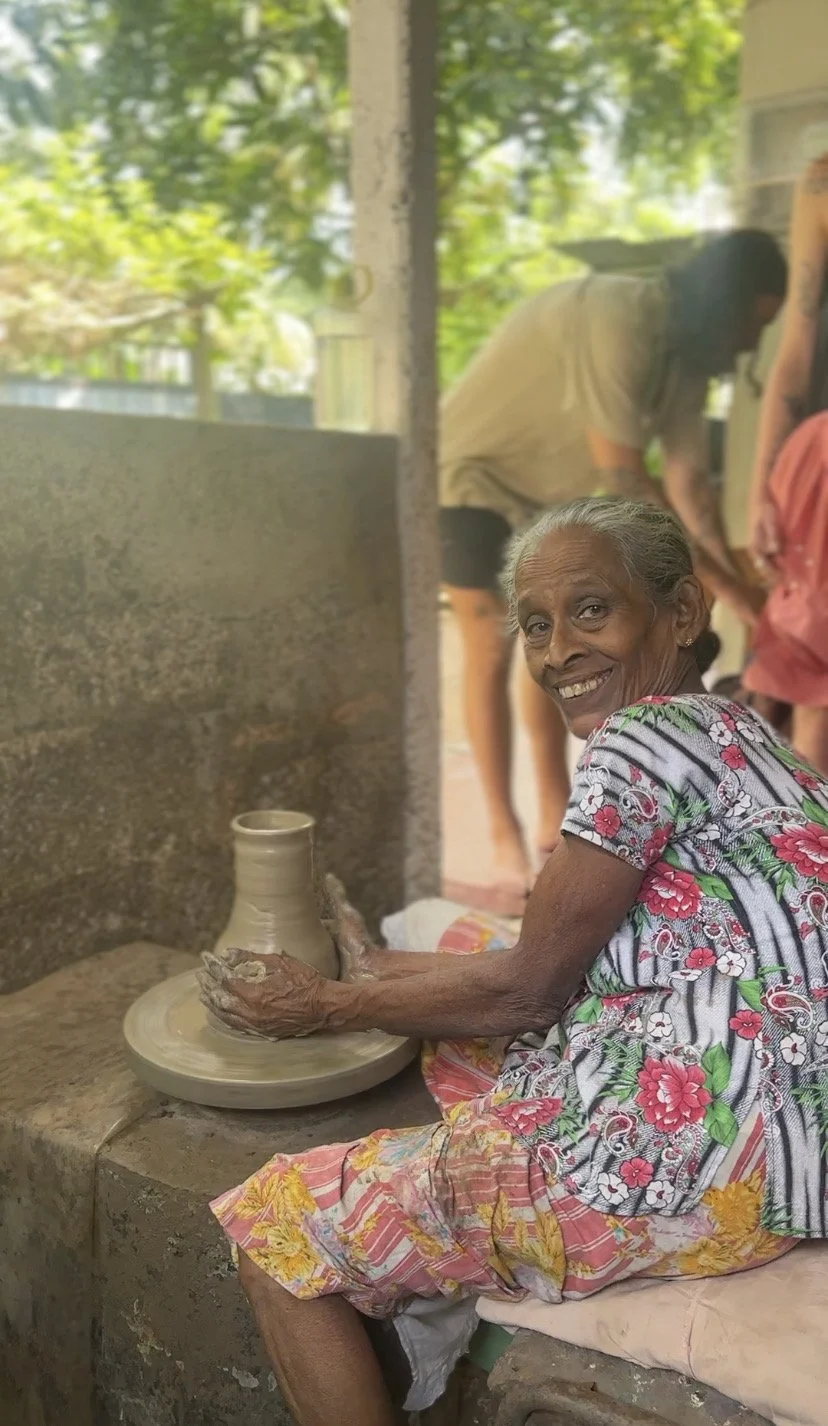
These immersive experiences don’t just transform tourists’ perspectives. They also help Sri Lankans rediscover their own cultural practices, often forgotten through colonisation and modernisation. “Even for sri lanka's people,” Urvashi says, “these workshops remind us what our culture really is.”
A Dual Impact : For Visitors and for Locals
Sarana’s approach has a double impact. For visitors, it offers an authentic connection beyond consumerism. For locals, it reignites pride and provides fair income for their skills.
“With industrialisation, we devalued craftspeople,” Urvashi reflects. “It’s the same with technology we let machines do things for us, and we forget how to make.”
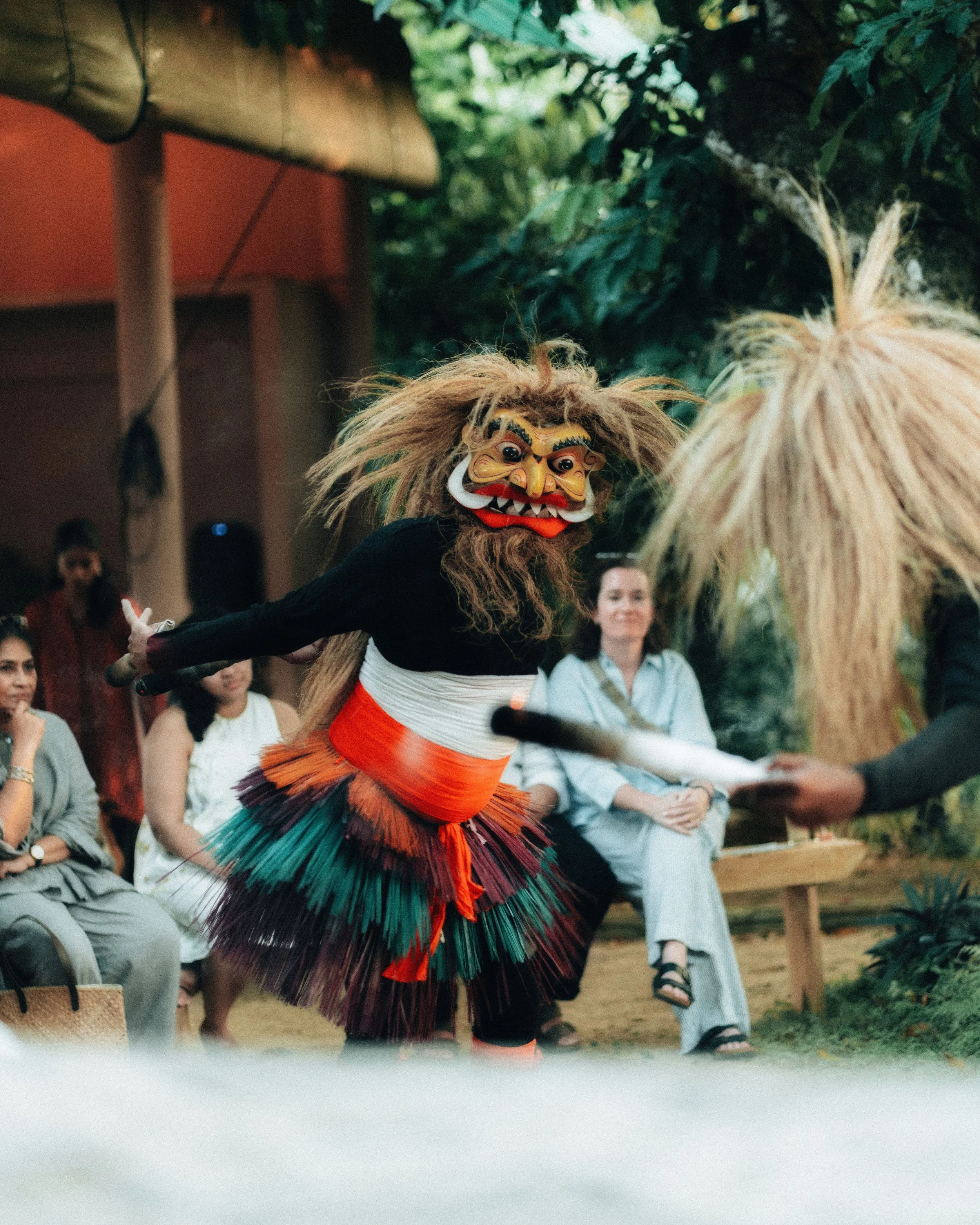
Sarana works with over ten artisans, healers and craftpeoples today from mask carvers to herbal skincare producers and potters, ensuring a 50/50 profit share with each of them. The goal is not just preservation but economic empowerment: giving younger generations a reason to continue their craft with pride.
One of the biggest challenges is the extraction of knowledge by big brands : copying designs without recognition or fair compensation. This process not only erases traditional techniques but also discourages artisans from continuing their work.
“There’s a kind of resurgence,” she acknowledges, “people are trying to understand. But real change must also come from policy.” She mentions the Thai government’s initiative of encouraging officials to wear traditional textiles twice a week, “a simple but powerful way to keep crafts alive.”
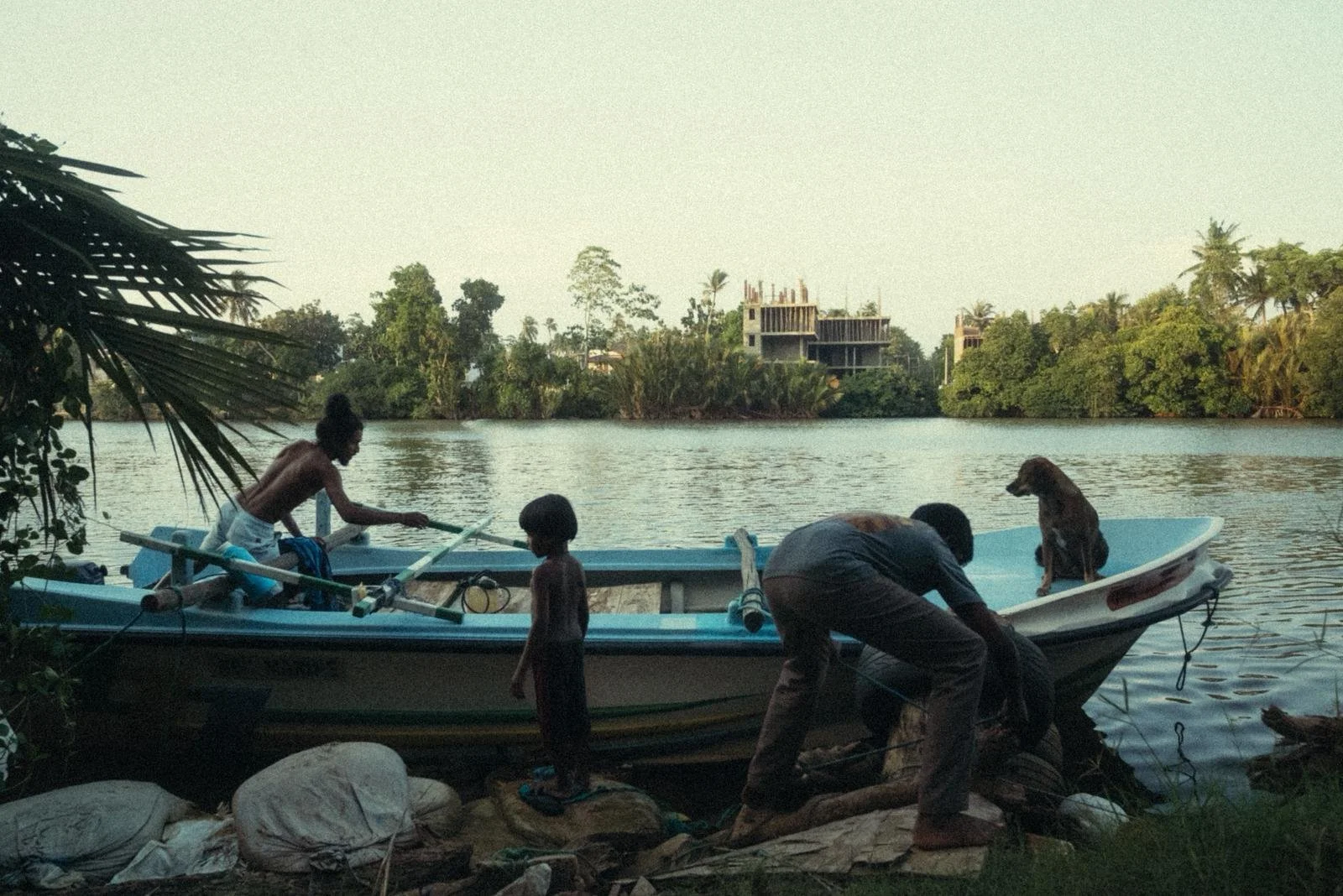
In Sri Lanka, where poverty remains widespread and economic conditions are difficult, supporting craft can become a lifeline a path to dignity and sustainable livelihood.
Defending the integrity of craft
True authenticity
As “authentic experiences” become a global marketing trend, Sarana stands out by refusing to package culture. “It starts with us,” Urvashi insists. “We shouldn’t over-engineer things.
The beauty is that we are so diverse : the more we know that, the more we can be true to ourselves, without trying to mimic western experiences”.
At Sarana, communication with artisans is constant. “We’re a platform for their voices,” she says, “but sometimes we just step back and let the magic happen by giving them the space and confidence to tell their stories their own way.”
For Sarana , the future lies in expanding across Sri Lanka and deepening its sense of community through cultural events, collaborative projects, and new ways of storytelling involving music, food, and shared experiences.
She draws inspiration from an Indian foundation she encountered years ago, led by a woman who has spent 25 years reviving and documenting dying crafts from basket weaving to shell wall-making. “Traditions here are passed down orally,” Urvashi notes “That’s why they’re disappearing because our way of living has changed.”
Crafting the Future
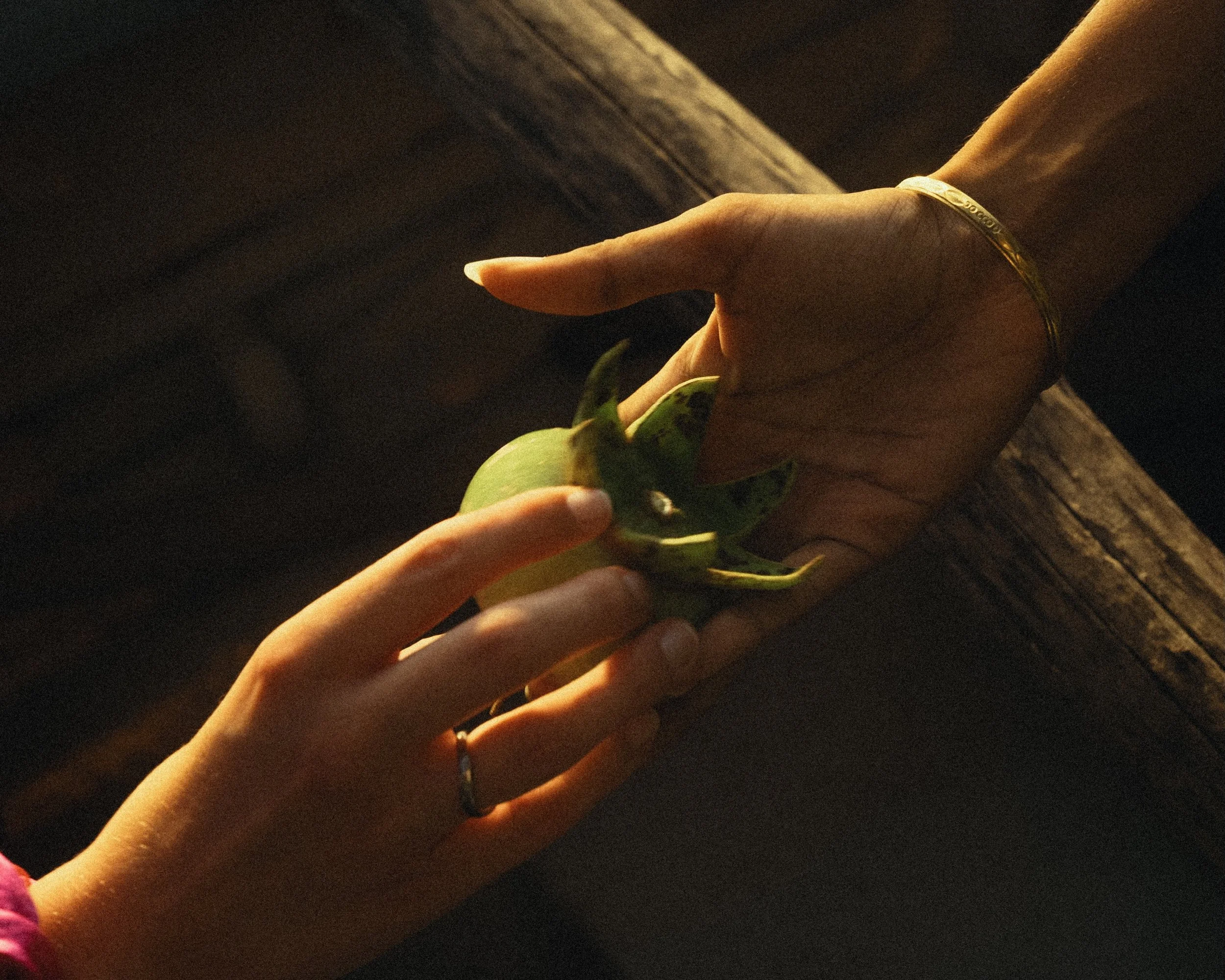
Sarana reminds us that culture survives through connection ; through people meeting, learning, and passing their knowledge from one hand to another.
By choosing to support projects like this, we actively help keep those connections alive.