WE ARE KAL
PRESERVING AN ANCESTRAL CRAFT IN THE HEART OF THE HIMALAYAS
In Hindi, Kal means both yesterday and tomorrow.
A word that perfectly captures the philosophy of We Are Kal: a project where ancestral knowledge is never frozen in the past, but becomes a foundation for the future.
Where it all began, Ladakh 2014
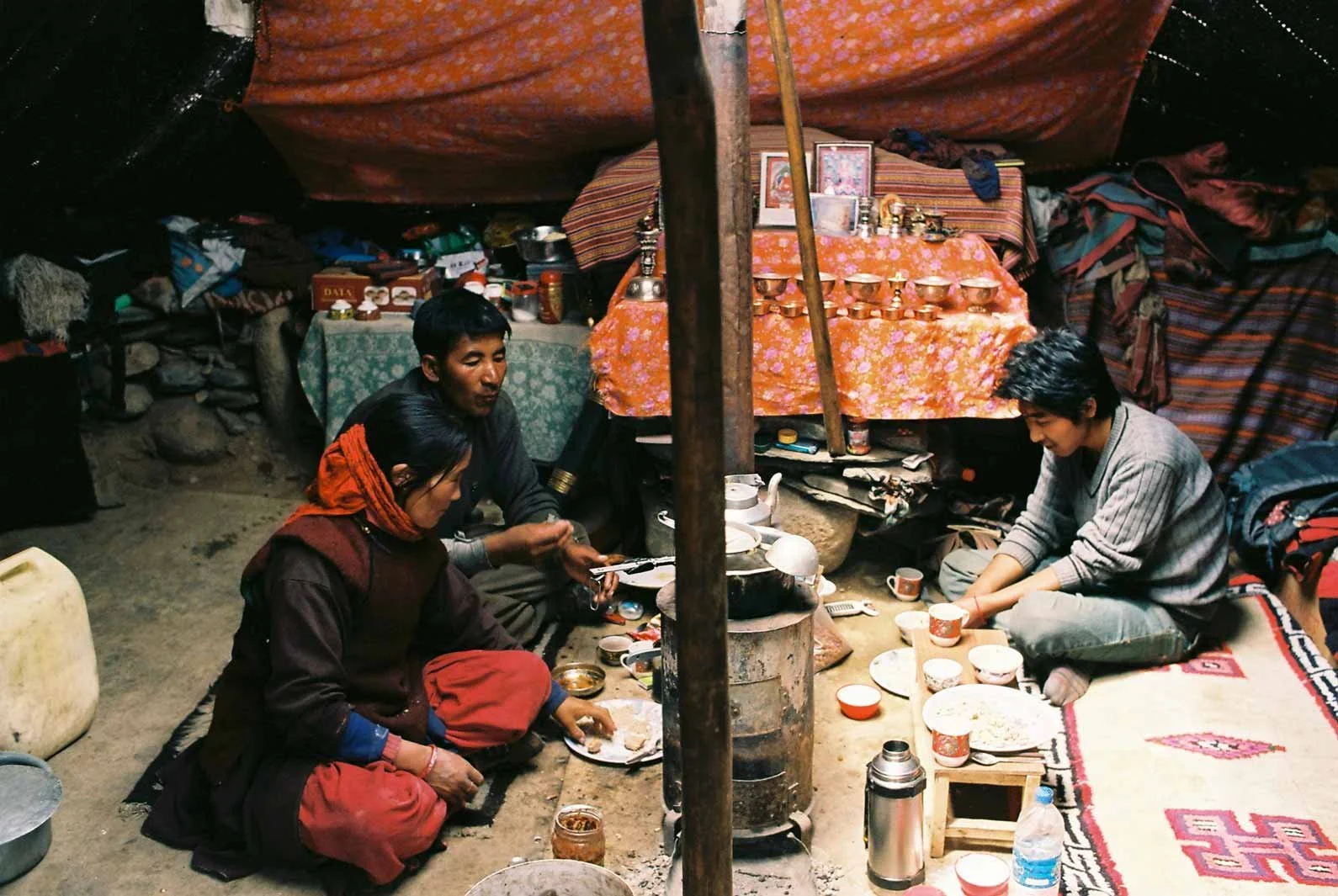
When Catherine Allié first arrived on the Changthang Plateau, in the heart of the Himalayas, she came to document Indian textiles and source wool. There she met Tsering Angtak, a member of the Changpa civilisation whose life has always revolved around wool and who would later become her husband. Up here, time seems to follow another rhythm.
The slow movement of the yak herds, the wind brushing the plateau, the repeated gestures on the loom, everything breathes simplicity and essence. From this encounter, We Are KAL was born.
More than a textile brand, it is a social enterprise, a community, a bridge connecting territories, cultures, and endangered ancestral skills. A way to preserve, transmit, and give visibility to what modernity erases too quickly.
Local, natural, living materials
We Are KAL works only with materials that originate from the regions they collaborate with:
Lambswool
Sheep wool
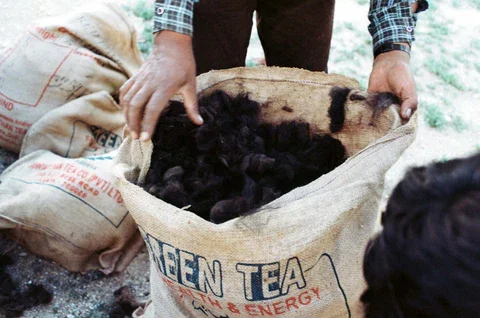
Yak wool, found in three natural colors: deep brown, beige, and the rare white yak
Eri silk from Assam, also known as Ahimsa silk due to its non-violent process
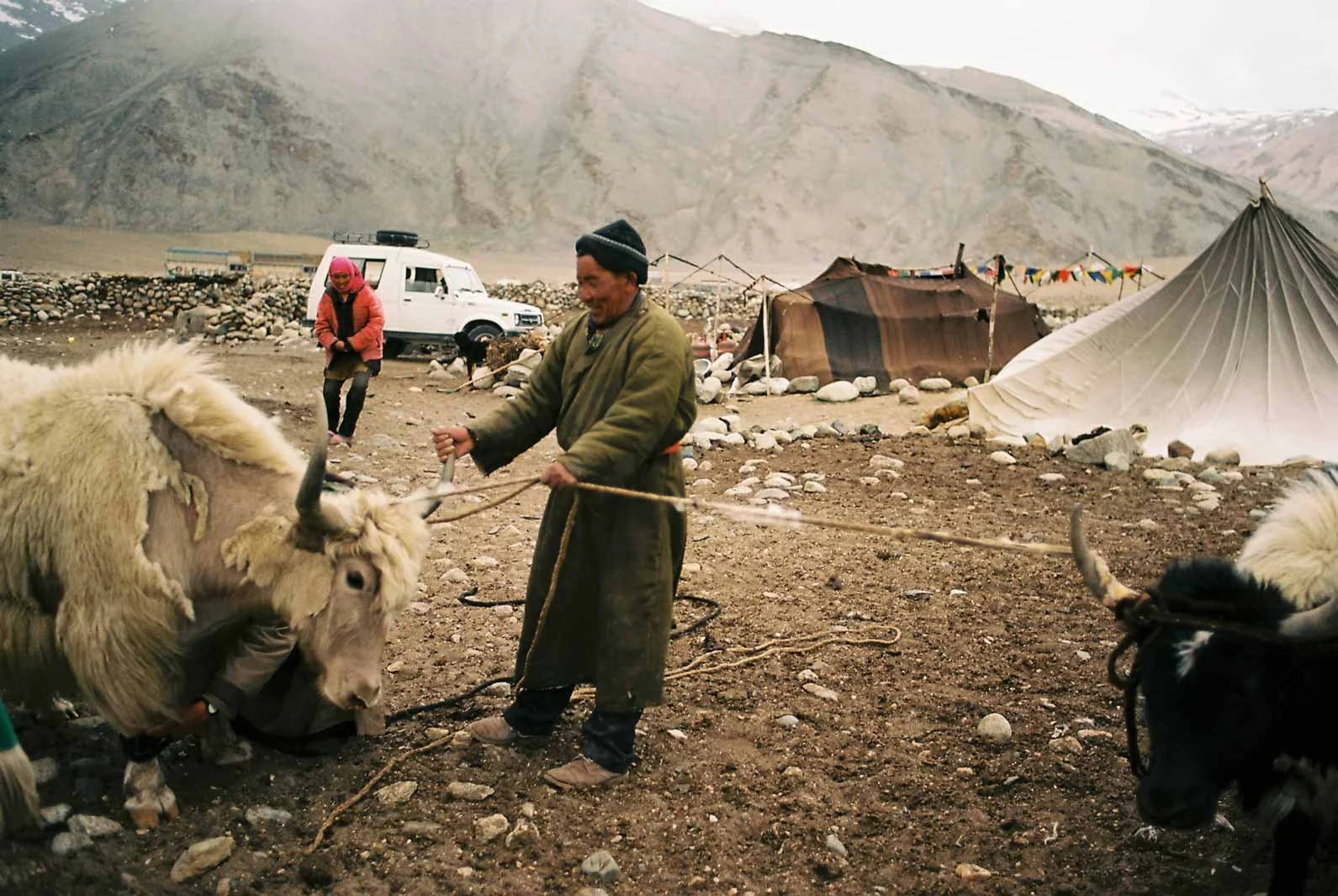
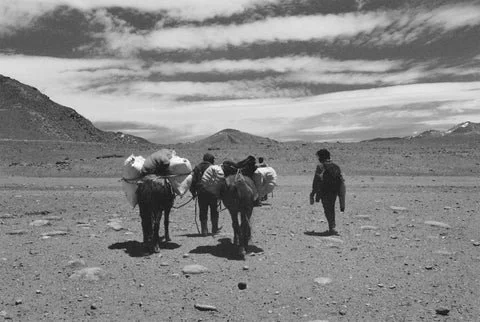
Each fibre carries a landscape, a season, a story. Every summer, Catherine, Angtak and their team travel on horseback for several days to meet the nomads of Kharnak and select the wool that will be processed during winter.
Two communities, one shared vision
Today, We Are KAL collaborates with two main communities:
The nomads of Kharnak, in Changthang : guardians of a fragile way of life deeply dependent on climate and livestock.
The women of Assam, who weave eri silk, a non-violent silk where the moth is allowed to emerge before spinning.
Both communities share a remarkable strength : generational knowledge, an almost organic connection to their land, and the will to keep their traditions alive.
A 100% manual process: the human trace in every thread
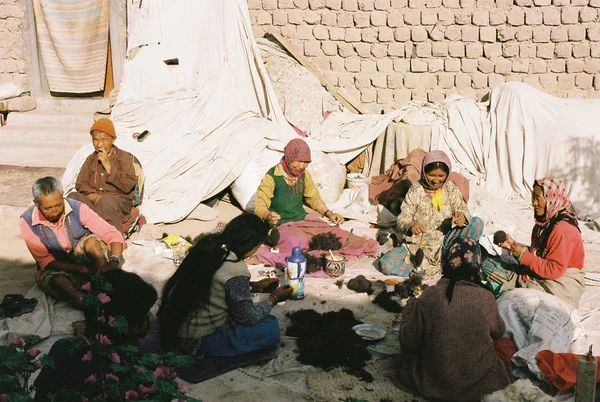
Nothing here is mechanised. Spinning, weaving, dyeing : every step is carried out by hand, without chemicals.
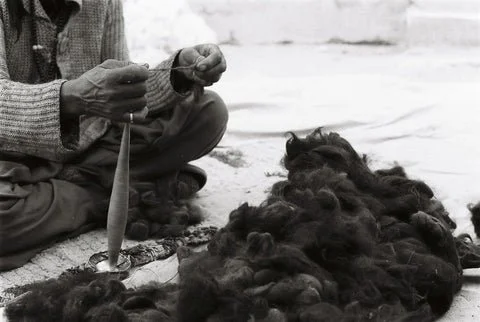
Handspinning: 20,000 years of knowledge
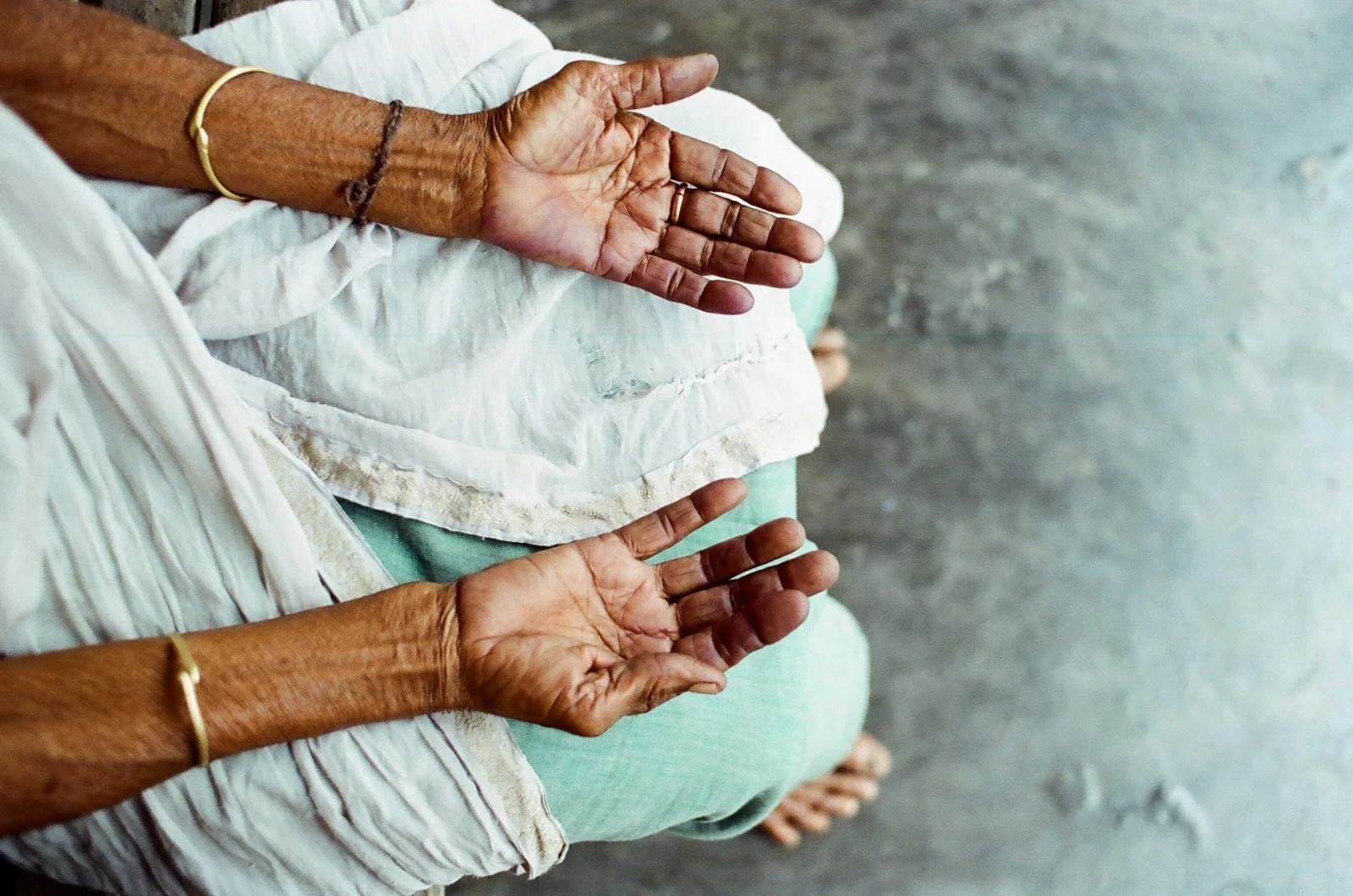
Handspinning has accompanied humanity for millennia. Today, it continues to represent: a crucial income for rural women, a meditative practice and a gentle resistance against industrial mass production.
In the time a machine produces 600 km of yarn, a spinner produces 400 meters. But that human-made yarn carries soul, irregularity, and rhythm.
Natural dyes: the colors of the landscape
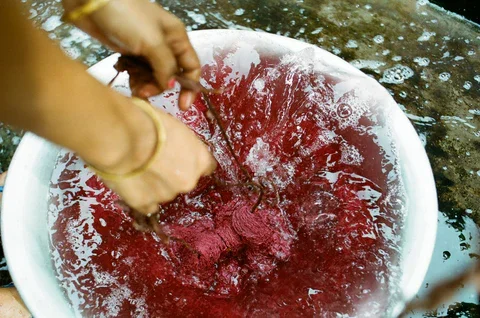
We Are KAL has developed a living palette, shaped by seasons and geography: Teak for warm browns ; Myrobalan for soft yellow, rich in tannins ; Lac with a purplish pink from a native insect ; Jackfruit bark for luminous yellows ; Indigo for deep blue and Madder (manjistha) for vibrant reds from a root cultivated for three years. A shade is never identical, it depends on soil, water, harvest time : nature decides.
Tsug Den: the nomadic carpets of Ladakh
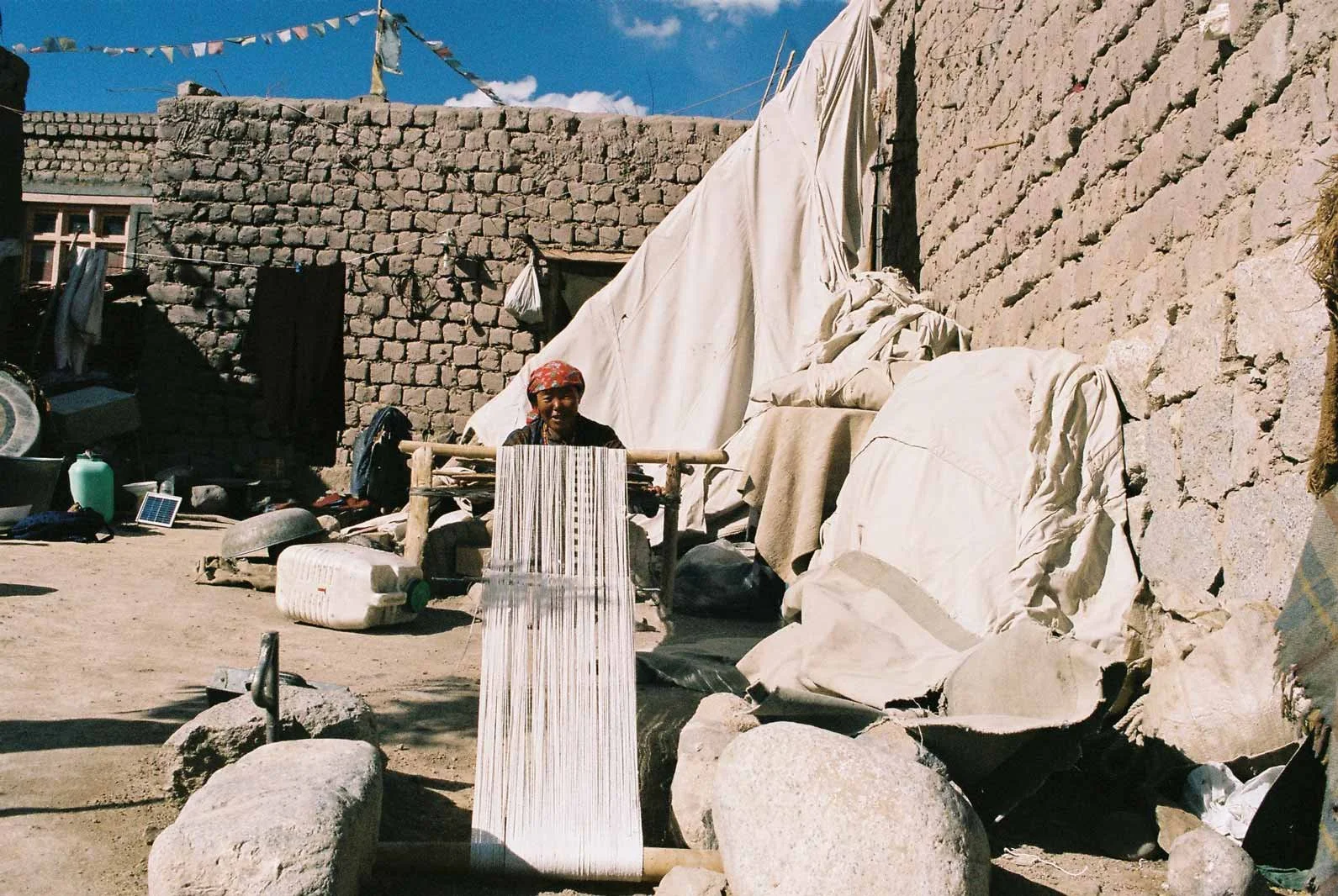
Among KAL’s most iconic pieces are the Tsug Den carpets, woven on portable backstrap looms by the people of Kharnak. Tsug means “to place on the ground” and Den means “mattress”. Made from yak or sheep wool and woven using three distinct techniques, each Tsug Den is a living archive: days of work, immense technical mastery, and the story of a family.
Preserving a culture at risk
The Changpa culture is currently navigating a fragile chapter.
The effects of climate change
Less water, decreasing pastures, weaker animals, increasingly difficult living conditions.
Rapid modernisation
Many young people leave the plateau for Leh, the main city of Ladakh, seeking: education, healthcare, comfort, opportunities.
But behind them, ancestral knowledge fades. According to Catherine, this is the biggest challenge of all. Without transmission, herds shrink, elders cannot sustain the nomadic lifestyle alone, and the gestures disappear. We Are KAL works to keep these practices alive, not as folklore, but as a way of living in harmony with the land.
Values woven into every textile
Earth : Natural, local fibres, minimal impact, maximum respect.
Culture : Weaving is a language, an inheritance, preserving culture means preserving a way of seeing the world.
Identity: For women artisans, weaving becomes a space for expression, independence, and autonomy.
Textiles as messengers: Each KAL piece is imagined as a story to be read. An irregularity in the yarn reveals the hand that spun it. A shade of dye reveals the plant, the season, the village water. A weaving variation reveals a territory, a clan, a worldview.
We Are KAL connects
People you may never meet, landscapes you may never see and cultures that modernity often renders invisible. Through a shawl, a carpet, a scarf, a silent and profound encounter is created.
Yesterday and tomorrow
“The value of handmade textiles is unique and timeless. It includes an entire ecosystem: the maker, the material, the tradition, the livelihood, and the environment in which the textile is created.” At KAL, yesterday and tomorrow do not oppose one another. They are interwoven. In a world that moves fast, KAL reminds us of the importance of slowing down, observing, listening, and honouring those who safeguard ancestral knowledge.
Thank you to Catherine for this truly inspiring conversation, it was a real pleasure to exchange with her.