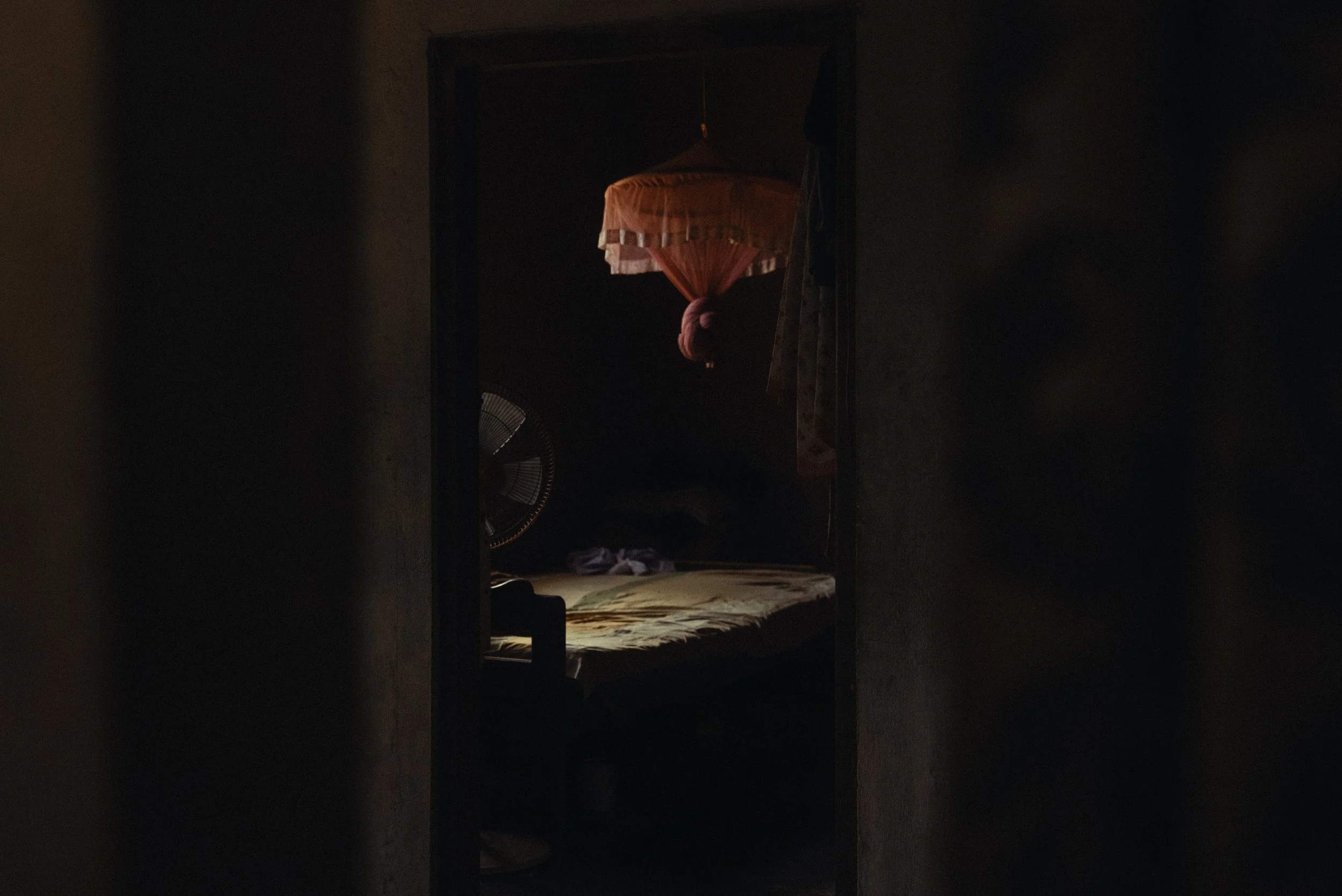
The Art of Batik Passed Down from Generation to Generation at Shermila Batiks
We discovered this family-run batik factory thanks to Sarana.
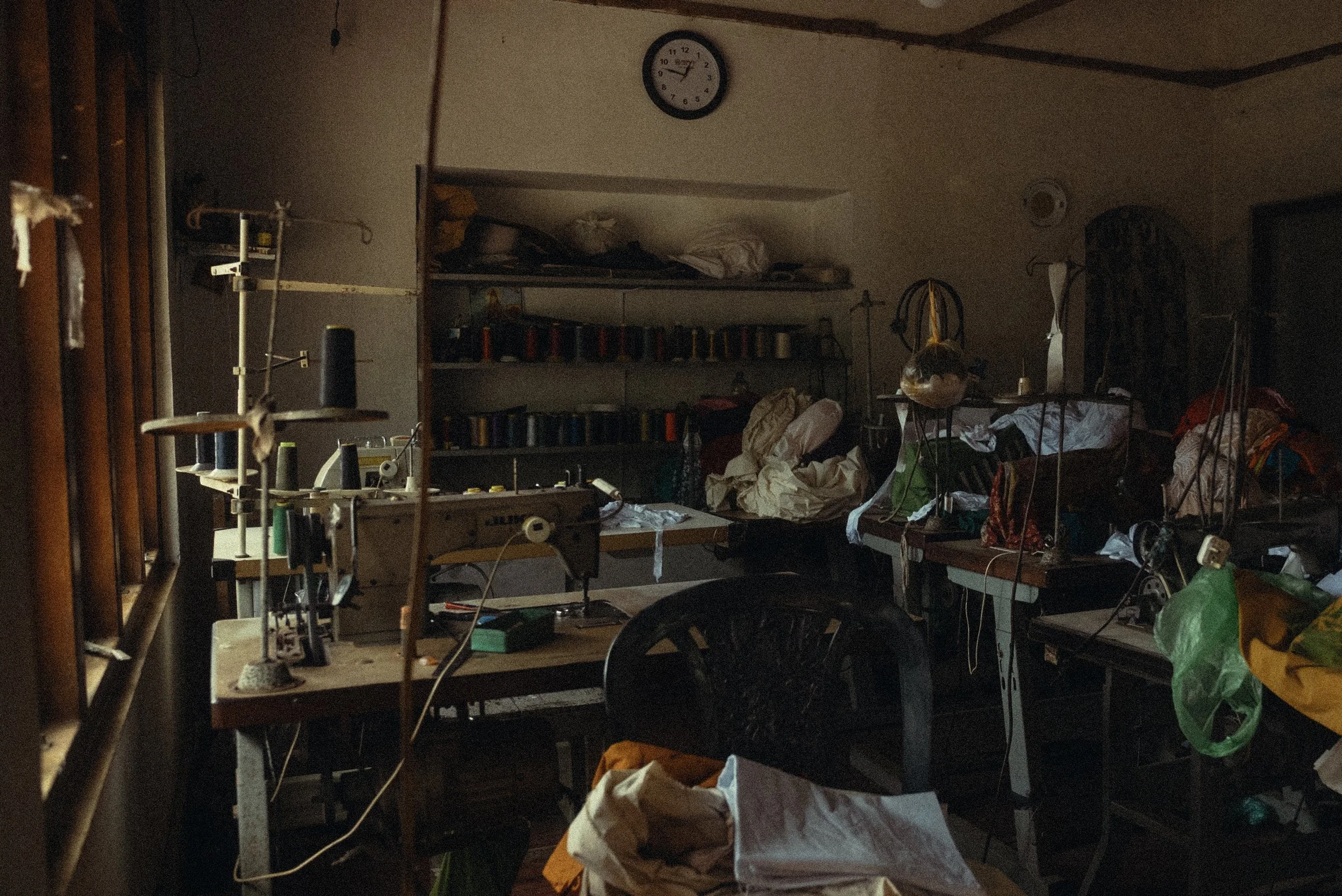
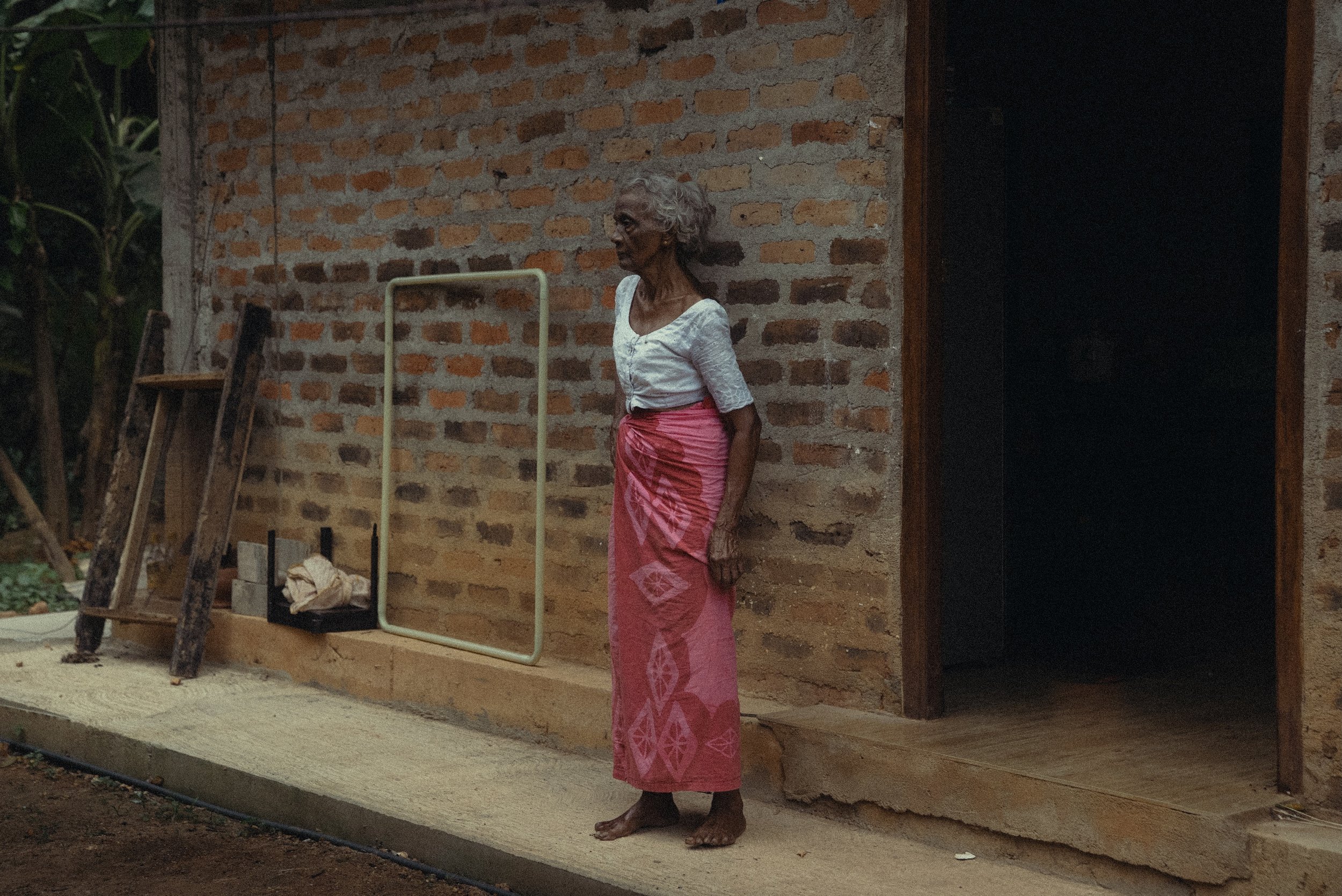
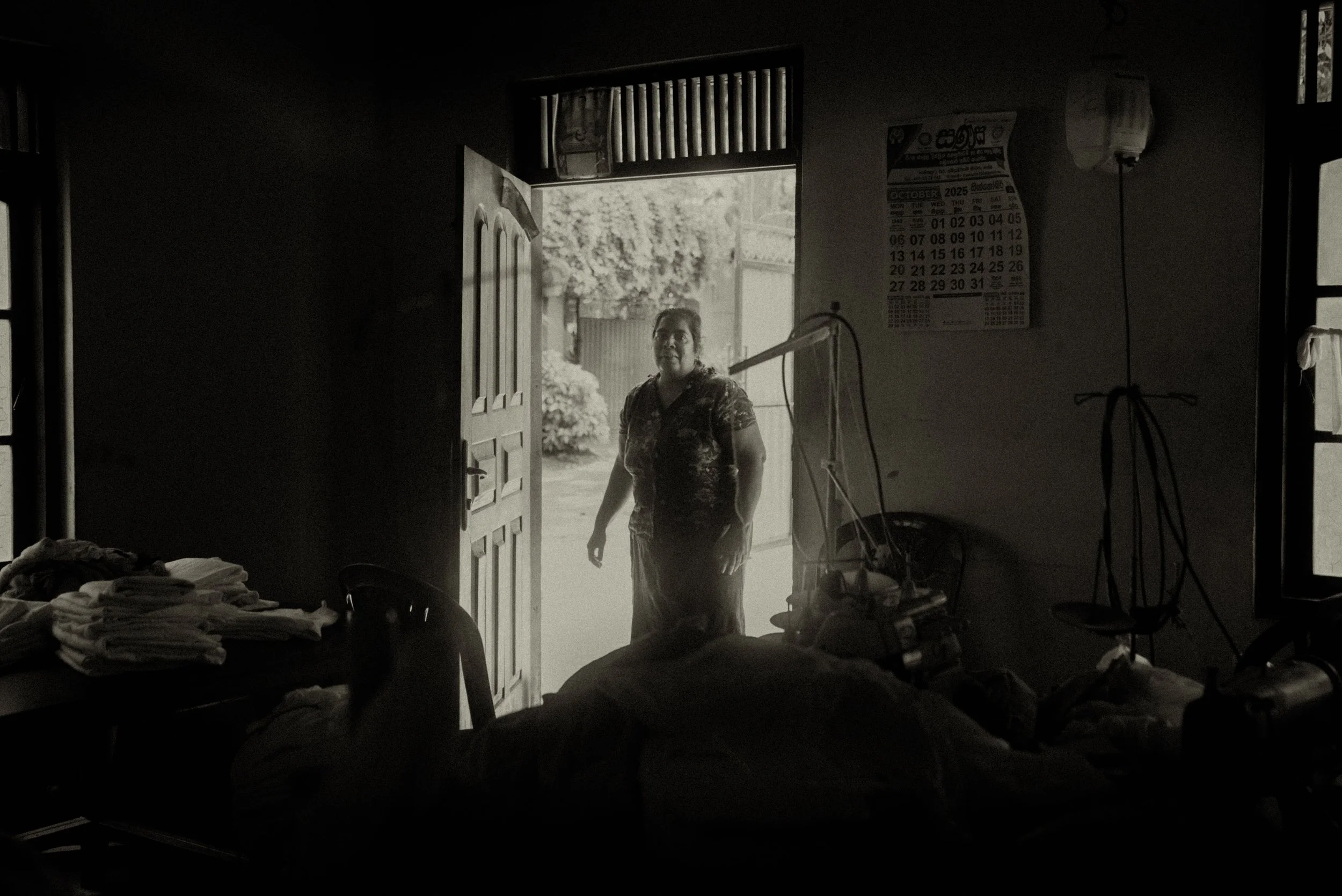
When we arrived, we were welcomed warmly by the women who run it, from the great-grandmother to the great-granddaughter, it is truly a multi-generational craft. The know-how is passed down from one woman to the next, each of them learning by watching, repeating, and refining the gestures of those before her.
They invited us to see how they create their batik pieces. There are five main steps in their process.
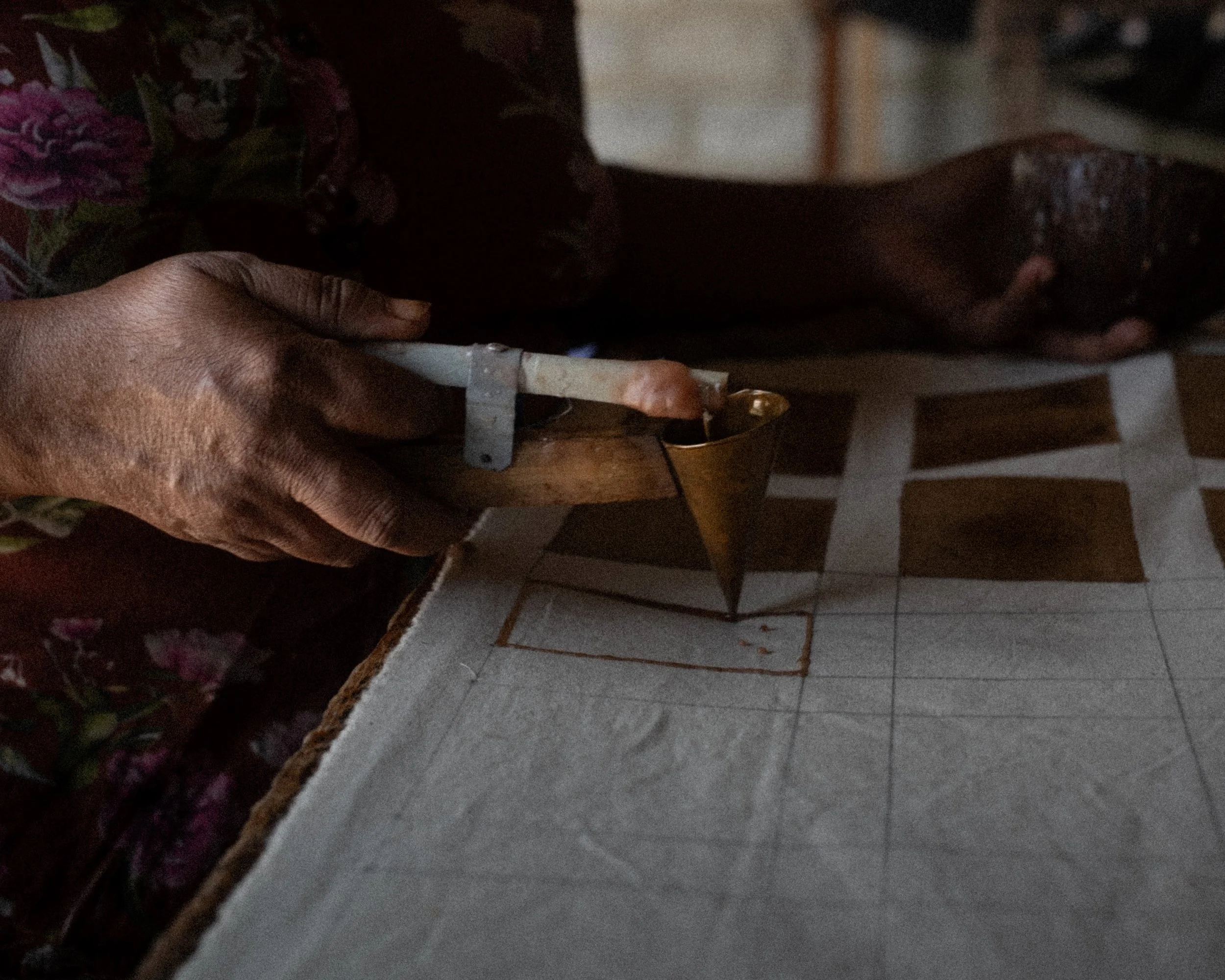
Wax application (Tjanting)
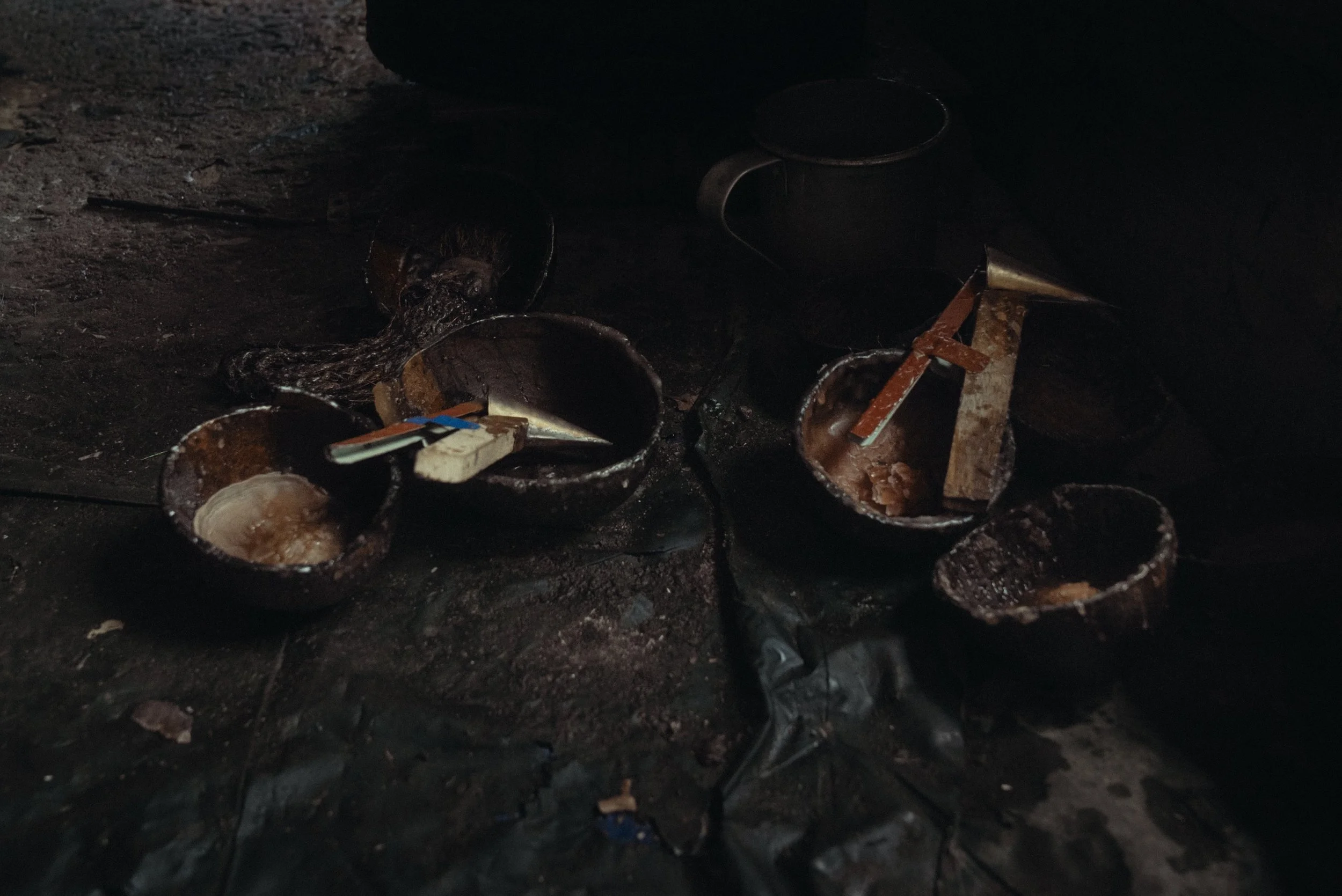
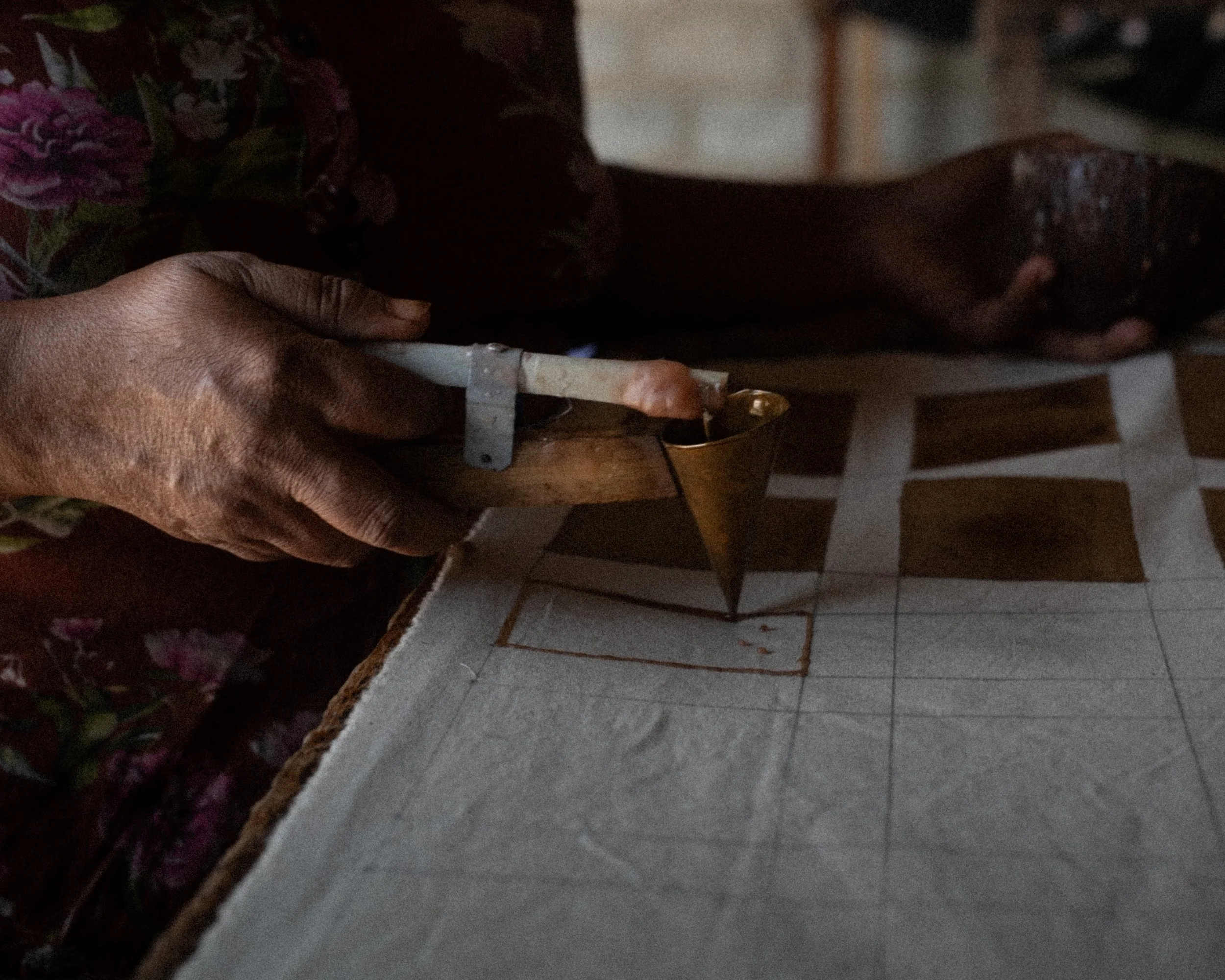
Everything begins with wax. They melt a blend of three different waxes, then use a tjanting tool to apply it delicately onto the fabric, drawing shapes and motifs inspired by nature, local culture, and daily life. Layer after layer, the design slowly appears.
Sometimes they even use braided coconut fibres to flick droplets of wax, creating a beautiful speckled effect.
Removing the wax
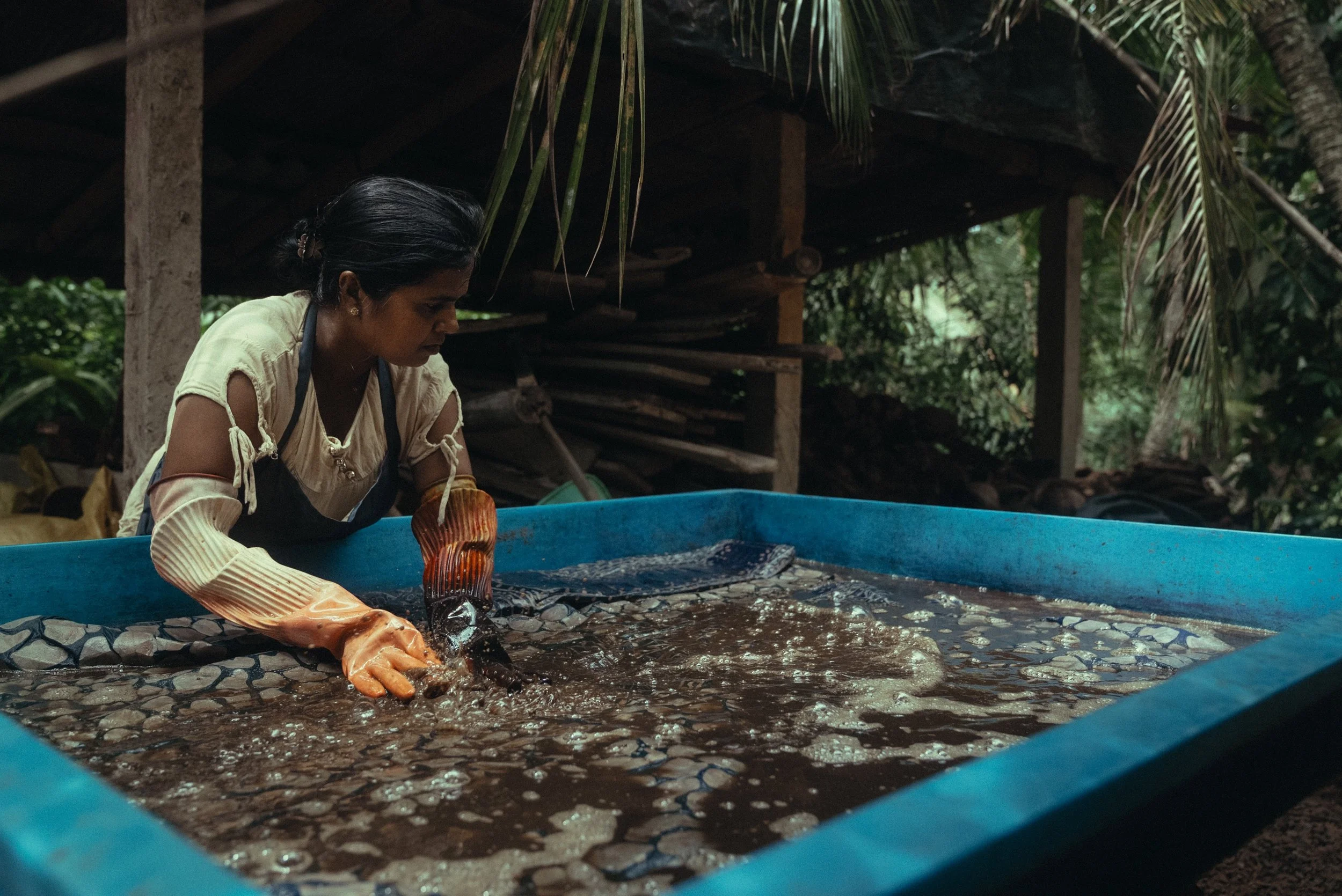
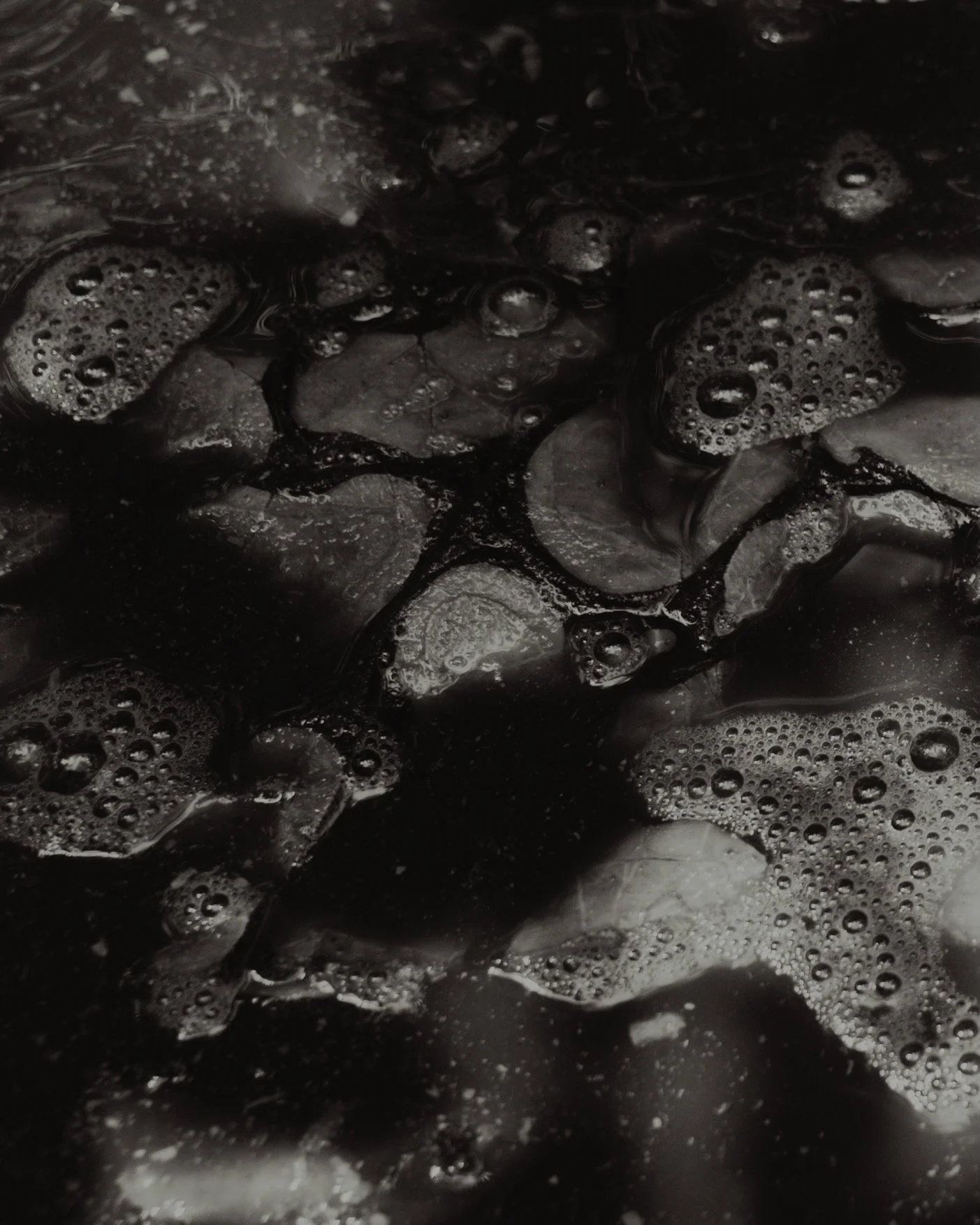
Once the colours are set, the fabric is immersed in boiling water to remove the wax. Slowly, the final patterns reveal themselves: the shapes once drawn in wax now appear as crisp lines and motifs.
Drying
After dyeing and boiling, the textiles are hung outside to dry naturally in the open air.
Because the colouring and drying happen outdoors, rain can put all work on hold, when it’s raining production simply has to stop.
Dyeing
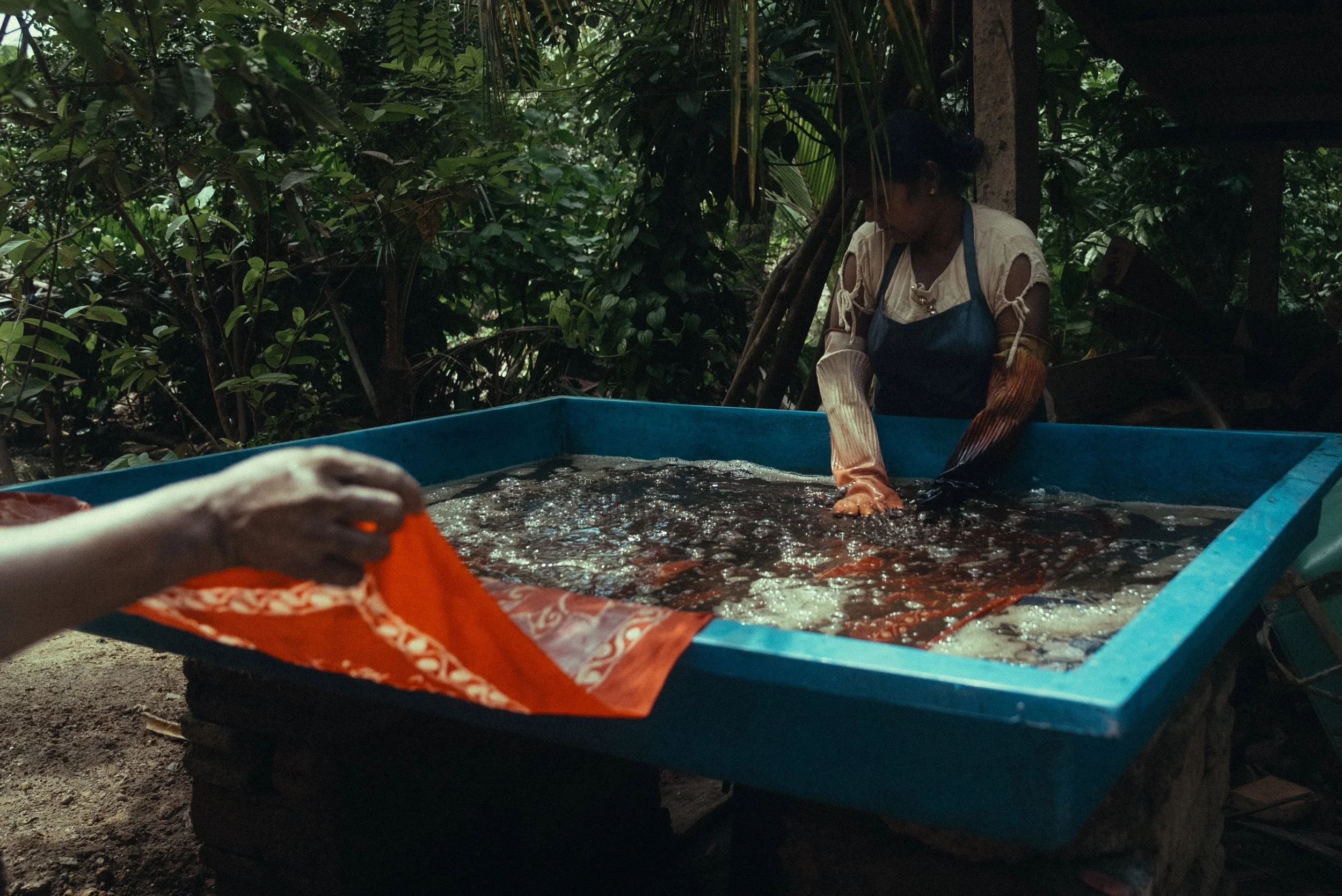
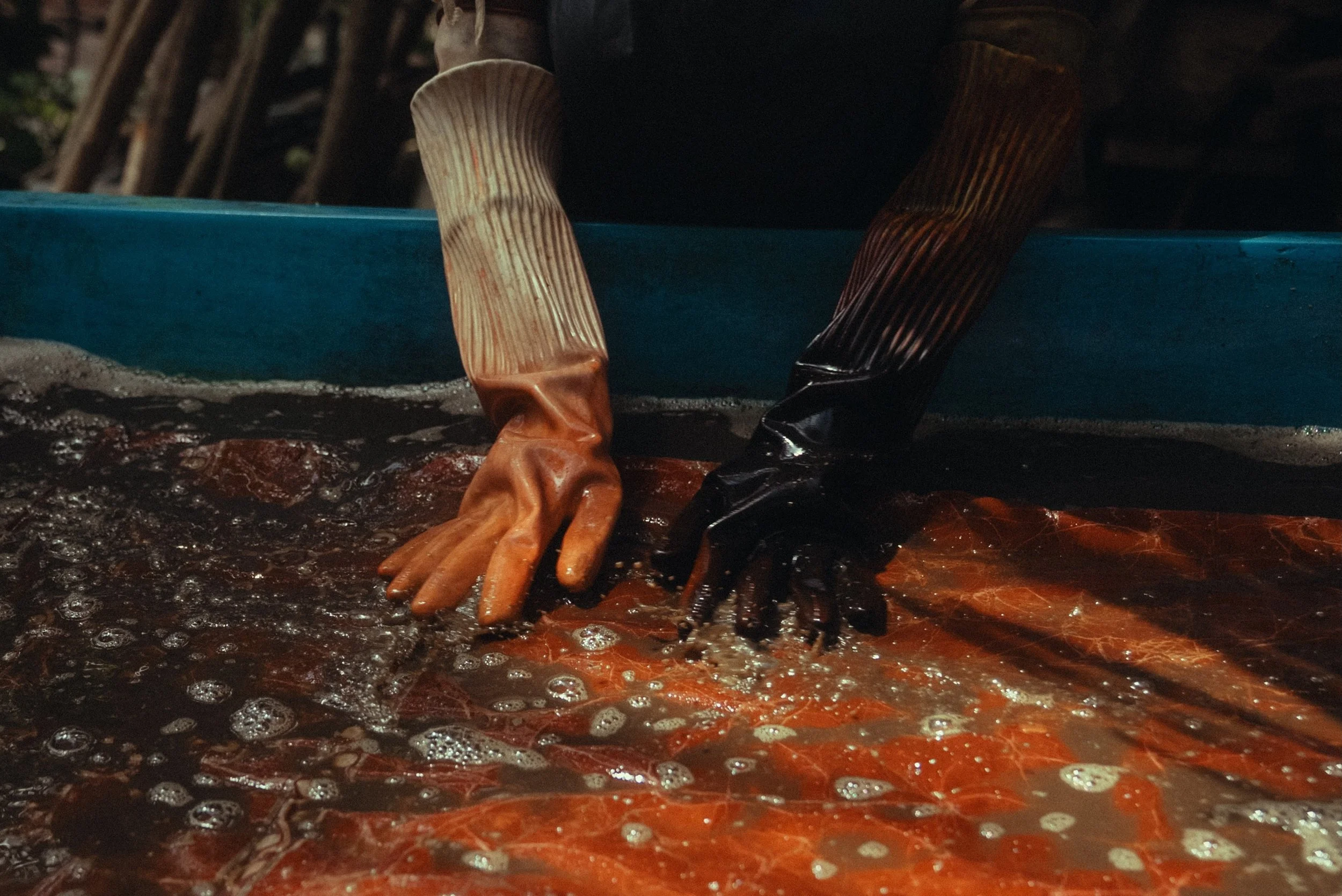
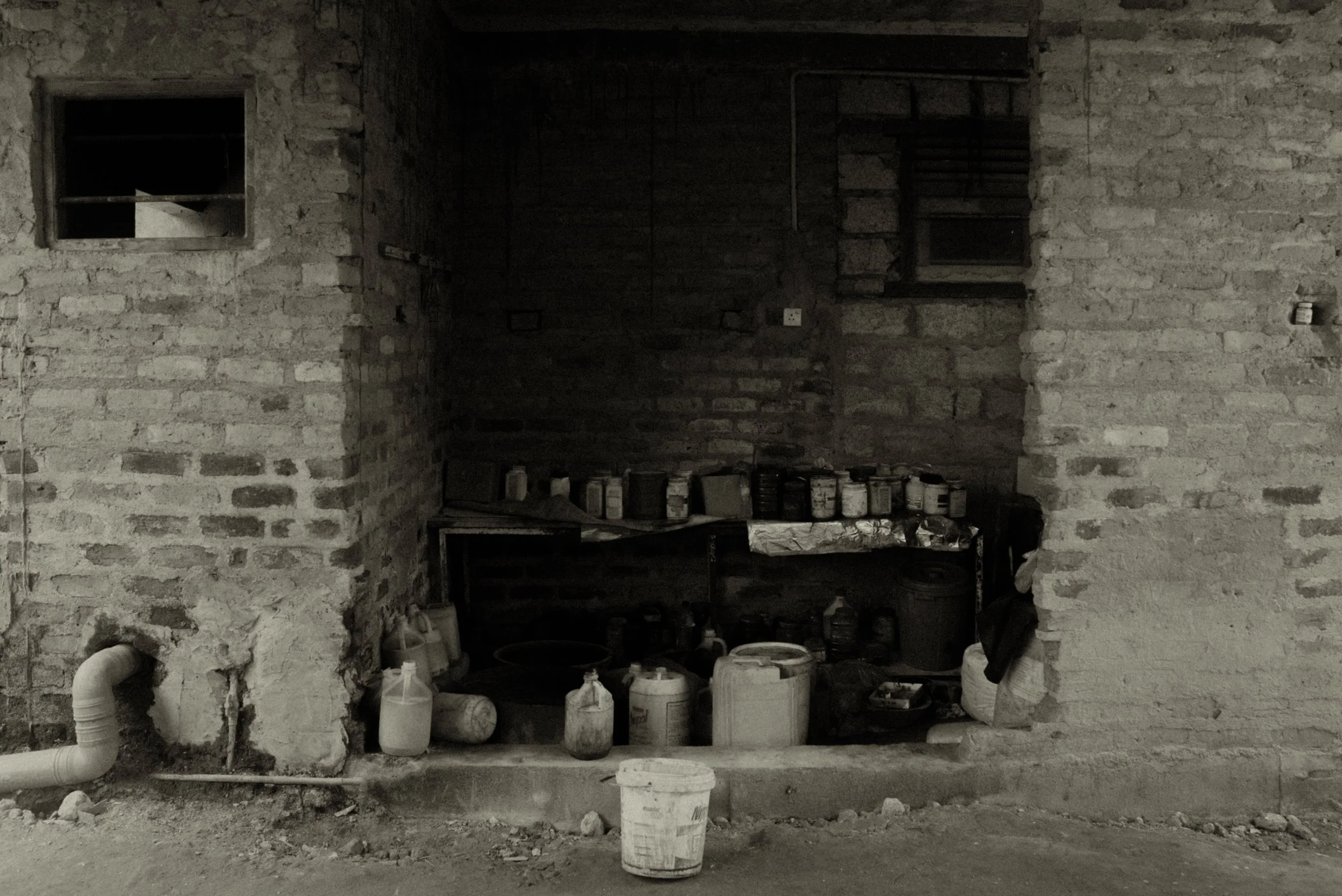
The fabric is then dipped into large dye baths to colour the sections not protected by wax. Everything is done manually: they stir the coloured water continuously so the pigment spreads evenly.
If the design requires several colours, they repeat the process shade by shade. It is demanding, physical work, stopping even for a moment can cause the fabric to absorb too much colour.
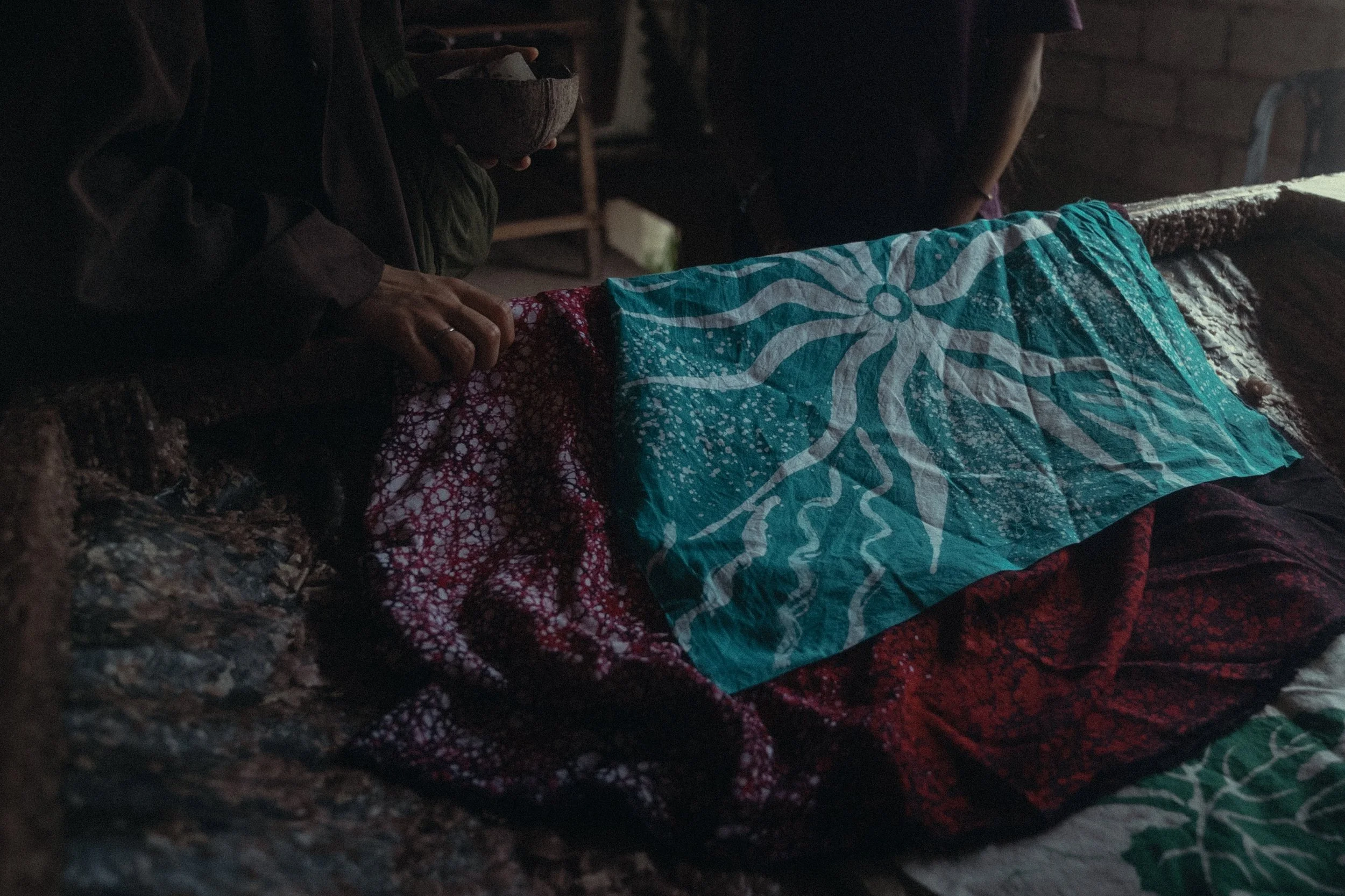
Watching them work is humbling. Everything is done by hand, with no machines, no shortcuts. Some highly detailed pieces take up to one full month to complete. Every stage demands precision, patience, and the steady focus of a craft practiced for generations.
Thank you to Shermila Batiks for receiving us so warmly and for allowing us to witness the beauty, strength, and mastery behind their craft. »