
CASA RAÍZ : A RETURN TO ROOTS
A contemporary and sustainable vision for Colombian wool
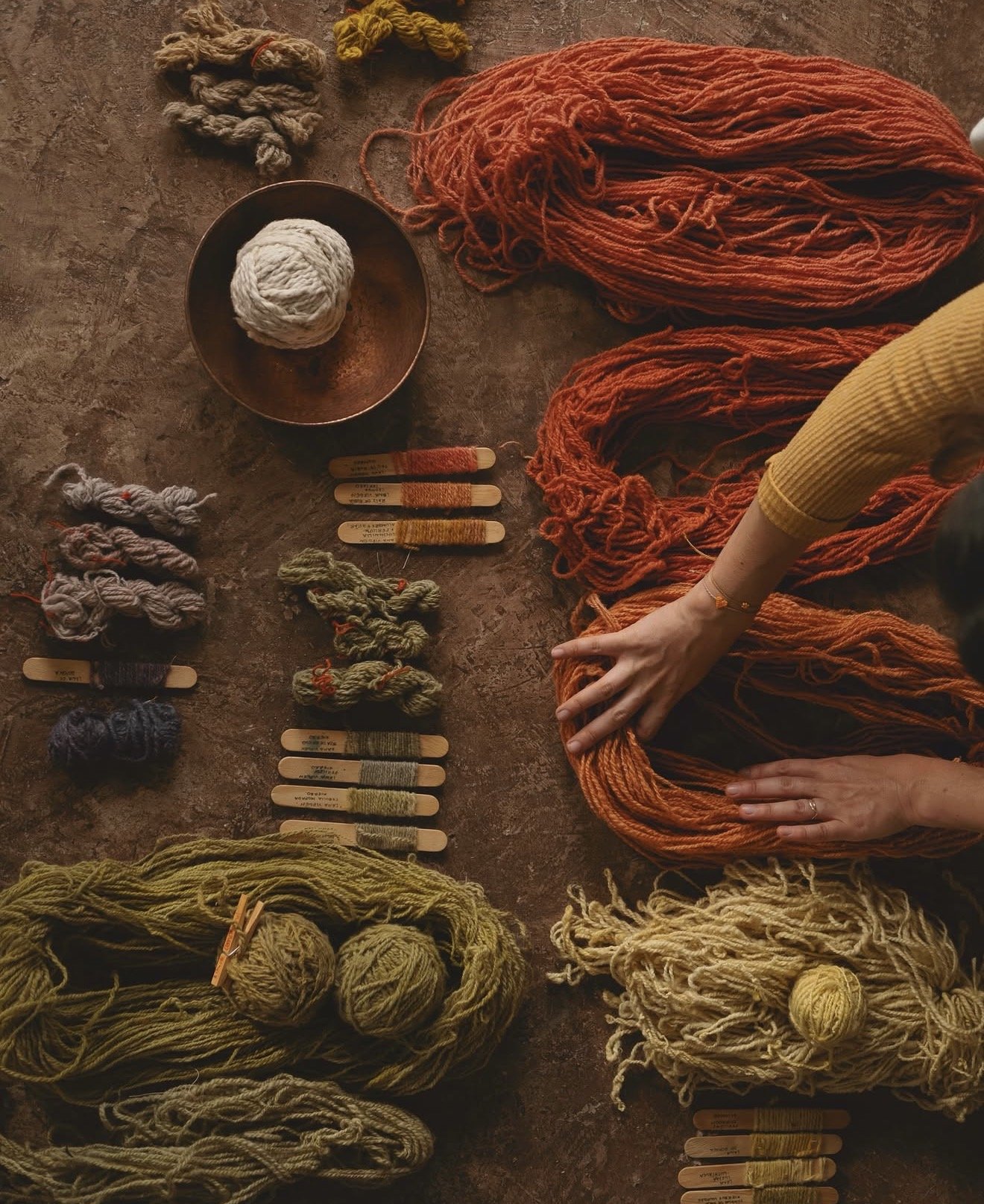
Reconnecting Colombian Wool to Its Territory
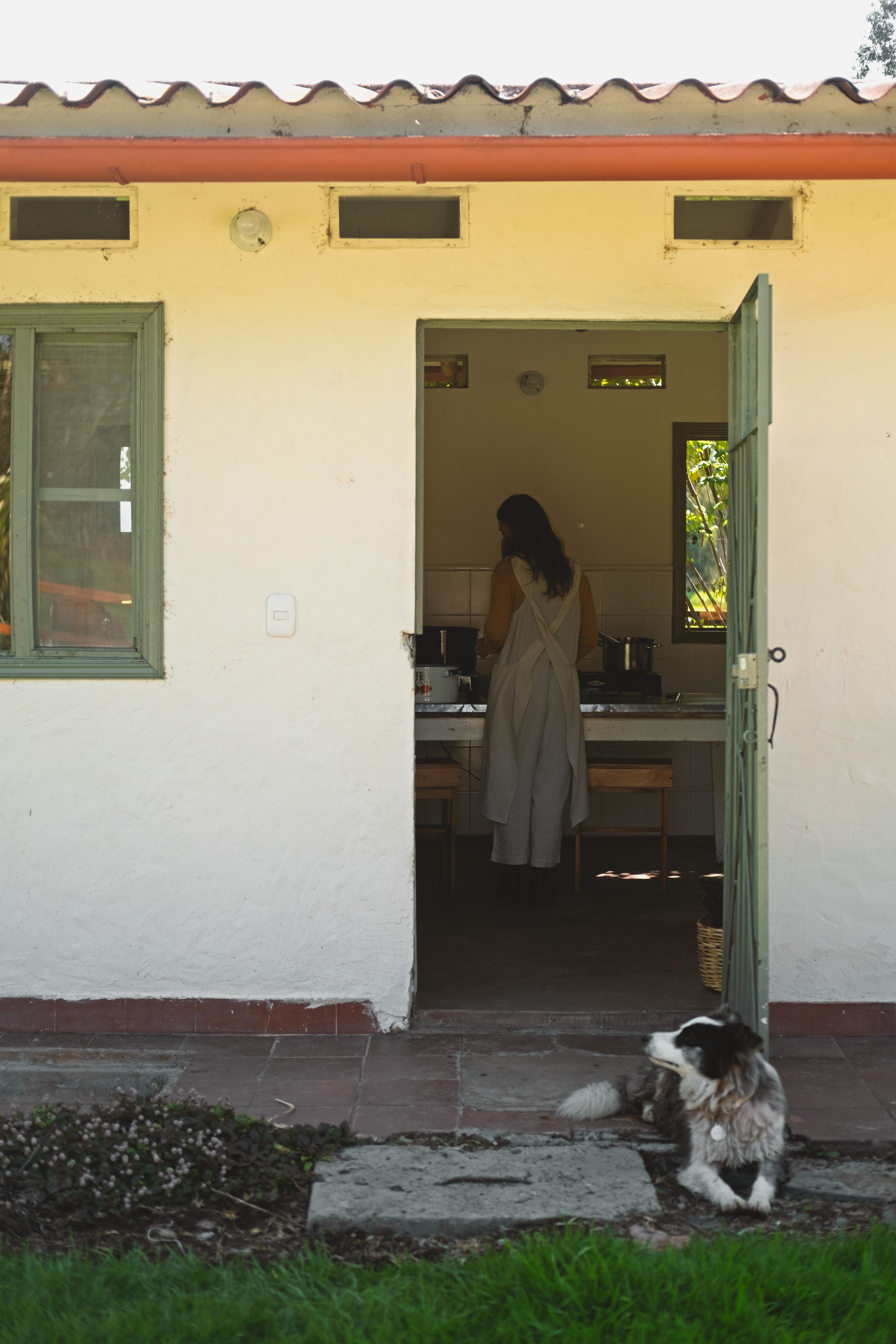
A few hours from Bogotá, María José Gómez transformed a former cheese dairy into a natural dye studio dedicated to wool. Casa Raíz, literally “the house of roots”, is not simply a studio. It is an attempt to reconnect Colombian wool to its land, its gestures, and the people who shape it.
Textile as Living Memory
María José studied design and anthropology simultaneously. She initially envisioned a future in editorial design, but gradually realised she was moving away from what truly resonated with her: textiles.
She turned toward textile, diving deeper into traditional techniques in Colombia, her country of origin, and in Guatemala, where she spent part of her childhood. “The textile has always been part of my life” she says.
Her mother, a textile designer working with artisan communities, shaped her sensitivity to craft from an early age. Textile, for María José, is a language. It speaks of identity, religion, and memory.
As a child, she often visited her family’s farm near Bogotá. The place became foundational : a space of freedom, memory, and connection to the land. Years later, she returned there for her final university project, working with local wool through an anthropological lens, exploring the relationship between the maker and the material. She understood something essential: textiles carry the imprint of the hands that create them.
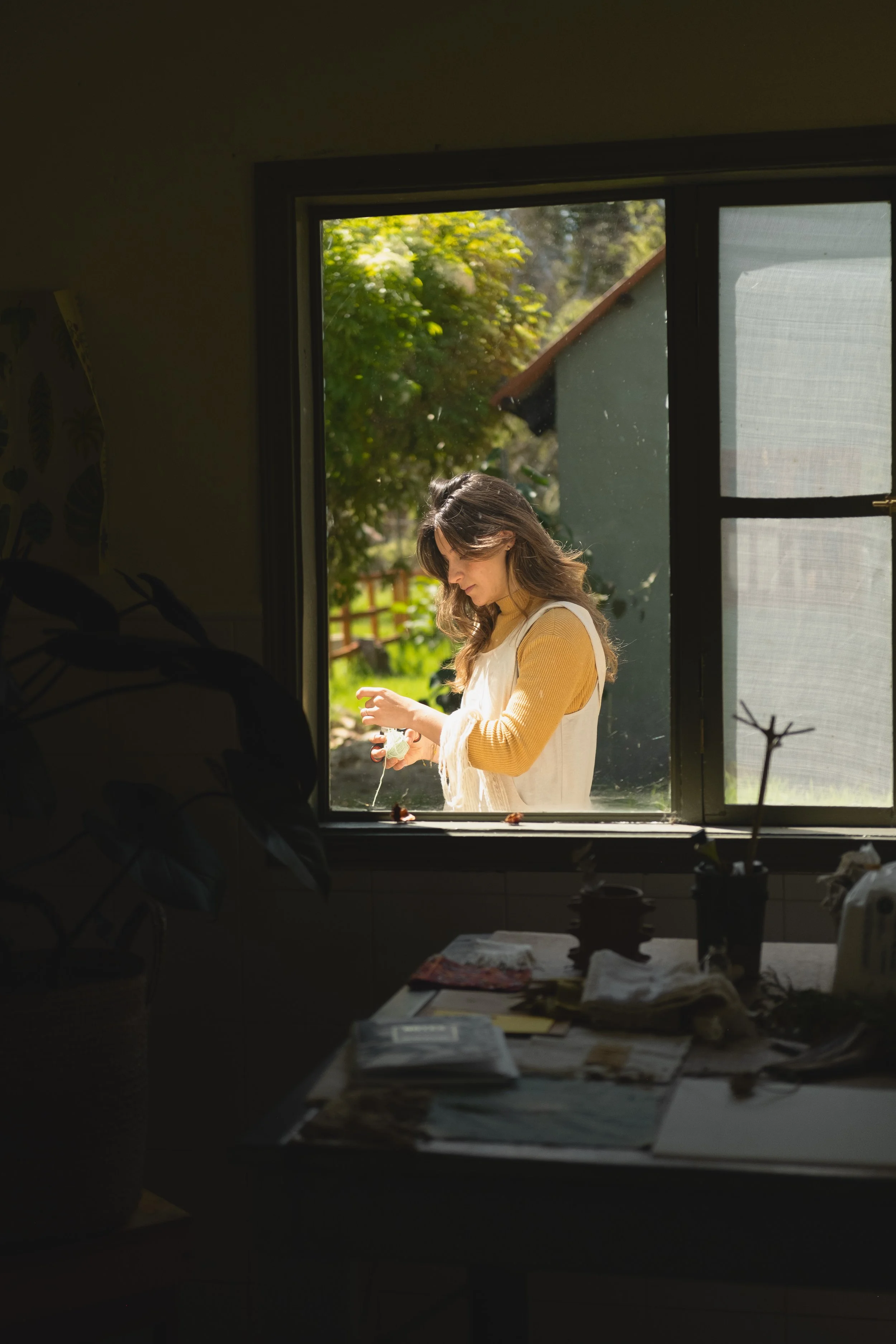
Learning Through Colour in Guatemala
What began as a short stay in Guatemala turned into five formative years.
Working with the studio Luna Zorro, María José learned how to build a brand while collaborating closely with artisans. It was also there that she immersed herself in natural dyeing, through traditional tie-dye techniques, and experimentation with local plants.
It was during this time, while living in Antigua, that her project Cúrcuma was born, first developed in the kitchen of her home.
Natural colour became both research and practice.
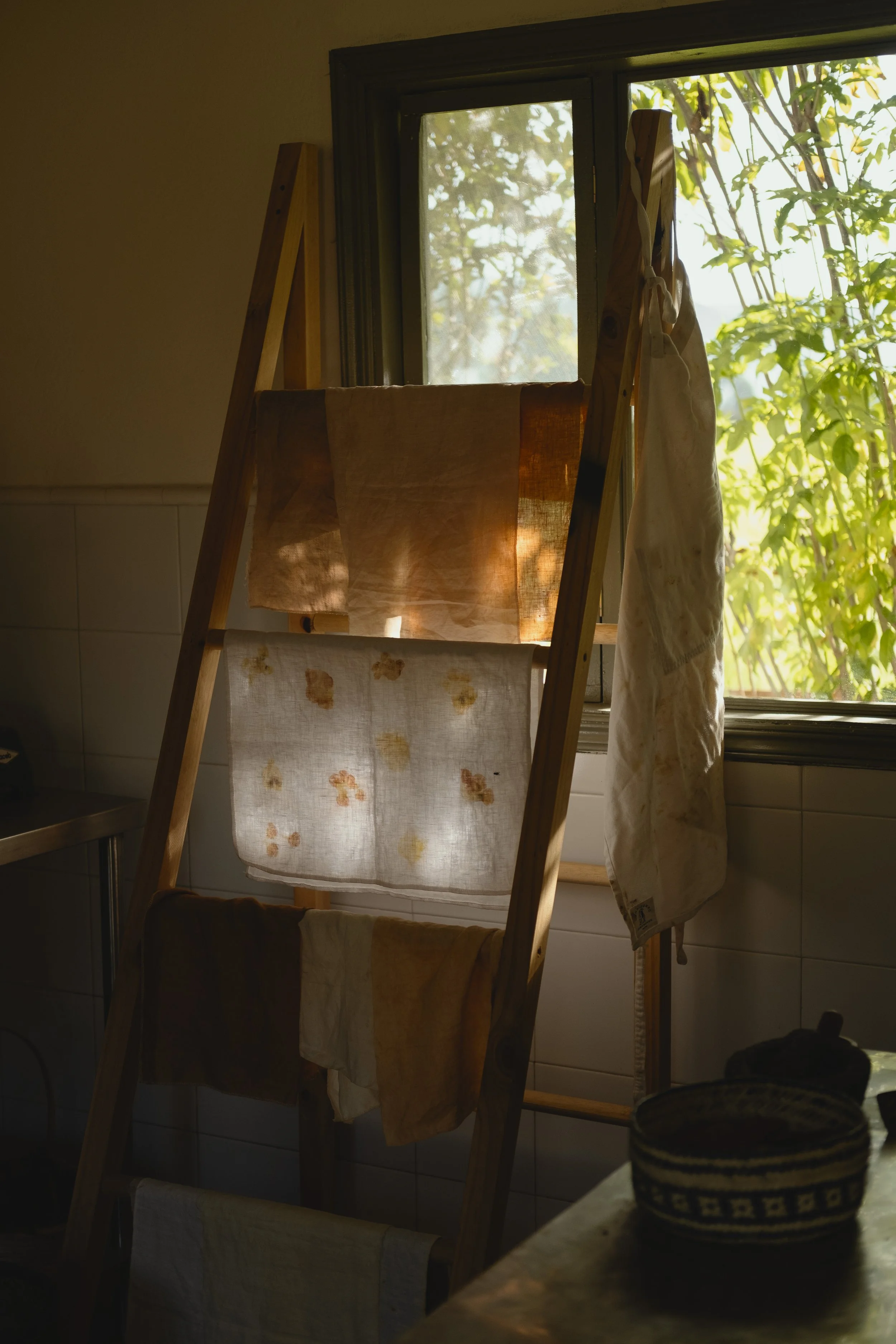
Oaxaca and the Return to Wool
A three-week textile residency in Oaxaca with Texere, a collaborative textile residency program based in Oaxaca, marked a turning point. For three weeks, she wove wool without pressure, without production goals. Just repetition. The experience reframed everything.
In Colombia, wool is abundant, yet rarely structured within a contemporary system of value.« Why are we not doing this here? The sheep are here. The knowledge is here. What is missing is structure. »
Wool transformation : Between Tradition and Modernisation
Back at the farm, she installed her studio in the former dairy space and realised that working with wool meant understanding every single stage of its transformation. María José actively sought out and connected each person involved in the process, rebuilding the chain step by step.
A single rug can require 10 to 12 kilos of raw wool, much of which becomes unusable after sorting and cleaning.
The process involves shearing, washing, carding, spinning, twisting, dyeing, weaving ; each stage carried out by a different person.
In remote villages, some women still spin by hand. The work is repetitive and physically demanding, and prolonged exposure to fibres can impact health. “Valuing craftsmanship, yes. But at what cost for the artisans?”
CasaRaíz does not seek to romanticise tradition. “I strongly believe we can preserve ancestral knowledge while introducing tools that make the work easier and protect the artisans.”The challenge lies in balance: how to modernise without erasing the essence.
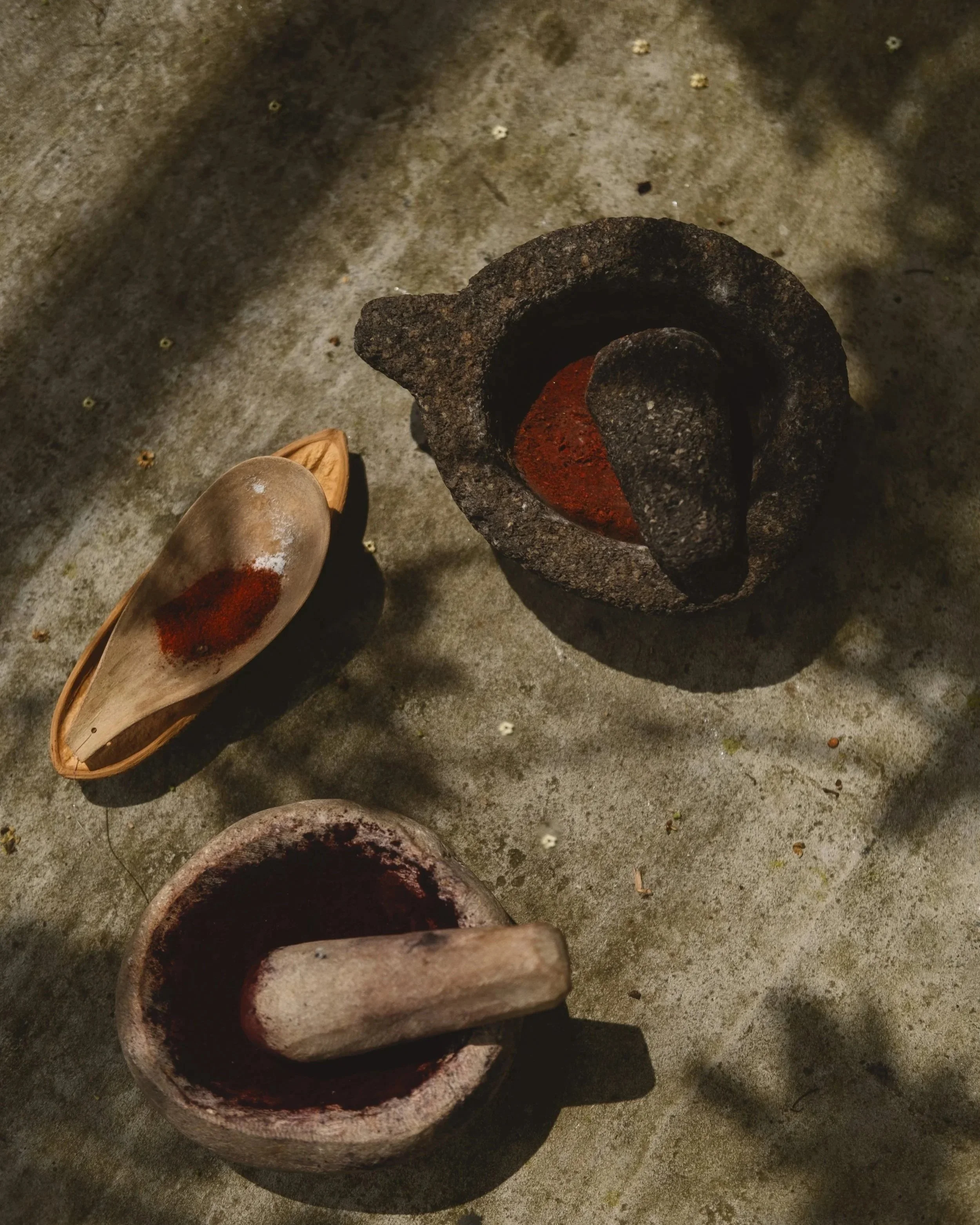
Natural Dyes Rooted in the Land
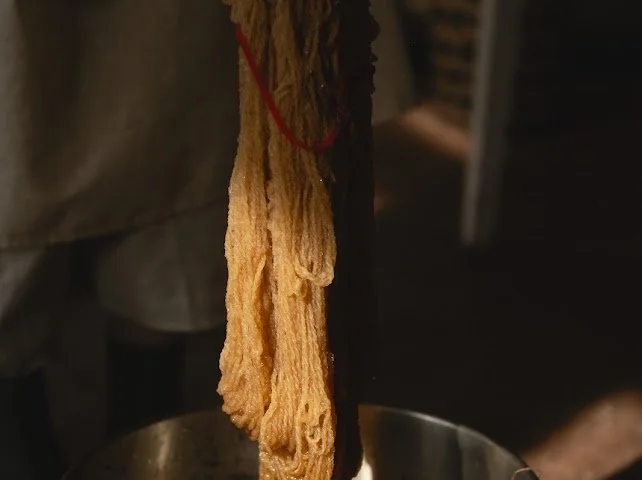
Wool remains at the core of her work because it is a protein fibre. Animal fibres such as wool and silk absorb natural pigments far more deeply than plant fibres like cotton.
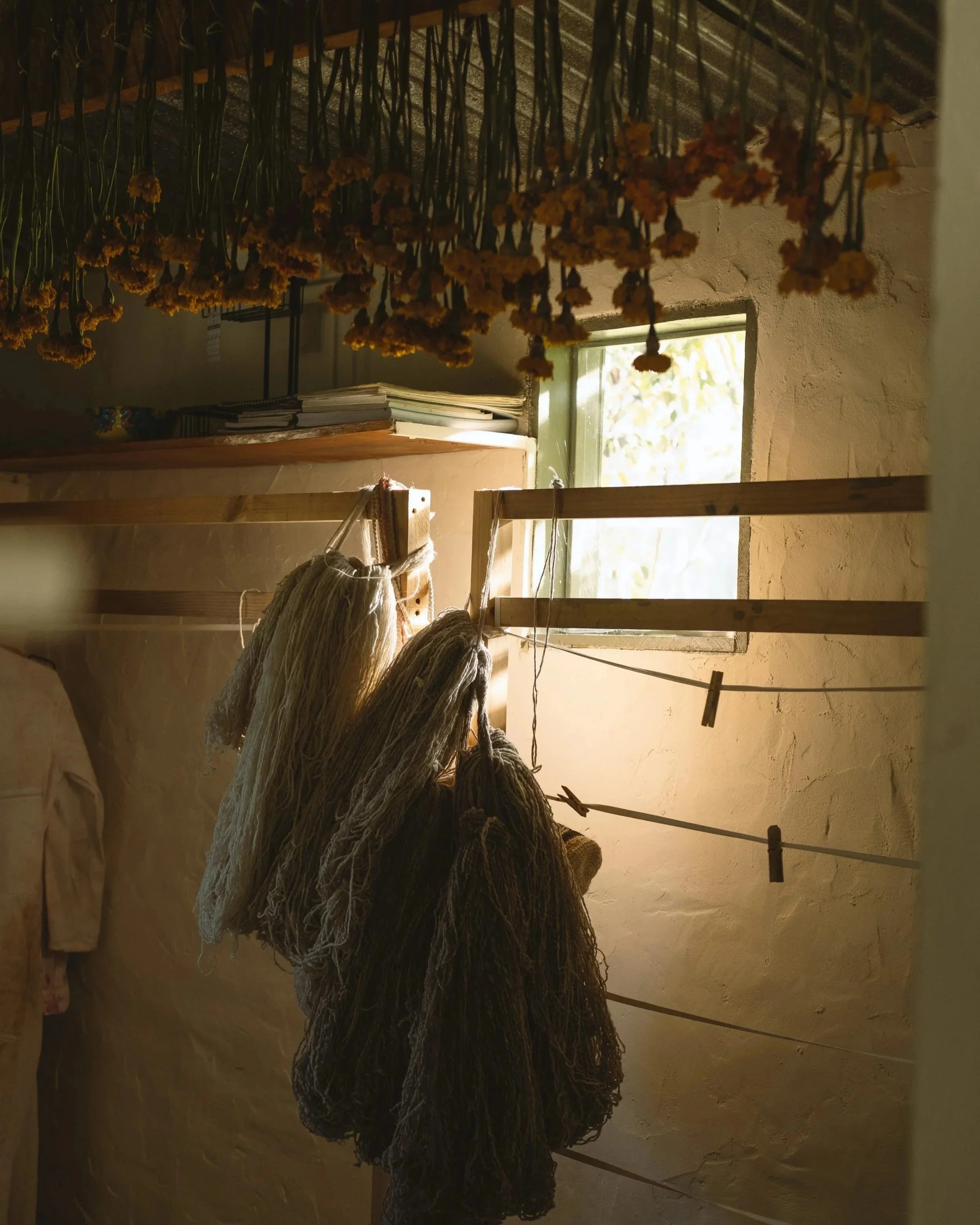
Natural dyeing, she explains, is “both chemistry and intuition.” Plants are boiled, filtered, and carefully introduced to the fibre. Shade depends on pH levels, tannins, iron, temperature, and time. She cultivates part of her dye plants herself : marigold, dye woods, tannin-rich plants while others come from other parts of Colombia, Guatemala and Mexico.
The palette is inseparable from territory. It reflects what grows and what endures.
CasaRaíz : A Place for Creation and Transmission
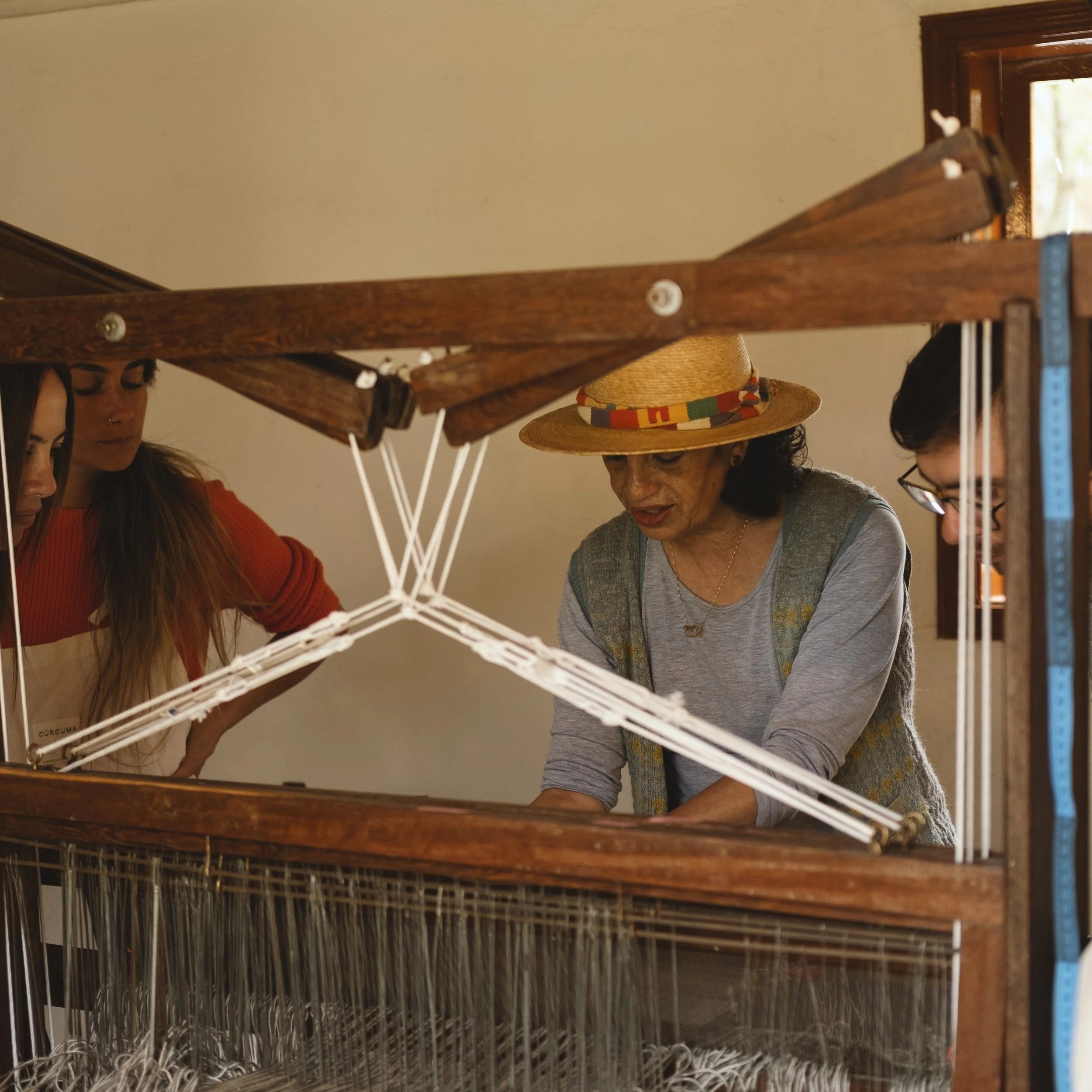
CasaRaíz is not simply a residence. It is a living space for creation and transmission, structured around three areas: a natural dye studio ; a weaving house led by her mother Margarita ; an textile artist residency.
Designers who come in immersion discover the full process from raw fibre to finished textile.
Her ambition today is to create a space that connects people with the process and the territory, highlighting the value and importance of that interaction. Alongside this, she shares a long-term vision with her mother: to develop a Colombian model for naturally dyed wool rugs, rooted in sustainability for artisans, animals, and the land.
“I want every piece to carry a real story. Not a marketing story. The final product should never be disconnected from its origin.”
Muchas gracias, María José, por compartir tu historia y tu visión a través de By Curcuma y Casa Raíz.
For more information or to book a stay at Casa Raíz.
Photo credits: Andréa Tamayo